The global automotive sector is currently navigating one of the most transformative eras in its history, requiring a total overhaul of traditional logistics frameworks to maintain a competitive edge. As manufacturers transition from internal combustion engines to complex electric vehicle architectures, the demand for a more resilient and digitally integrated supply chain has never been more urgent. Enterprise-level logistics systems must now evolve beyond simple transportation to become proactive, data-driven ecosystems capable of anticipating global disruptions before they occur.
This revolution is fueled by the integration of artificial intelligence, real-time telemetry, and advanced warehouse automation that streamlines the movement of millions of individual components across borders. For major automotive brands and Tier-1 suppliers, optimizing these systems is the primary lever for reducing overhead and increasing the speed-to-market for new models. Traditional “Just-in-Time” models are being replaced by “Just-in-Case” strategic buffering, supported by sophisticated predictive analytics that balance lean operations with robust risk mitigation. Stakeholders are also facing increasing pressure to decarbonize their logistics footprints, making green transport solutions a core component of institutional-grade operational strategies.
Navigating this shift requires a deep understanding of multi-modal transport optimization, smart port integration, and the complexities of global trade compliance. By embracing a revolutionized approach to logistics, automotive enterprises can secure their supply chains against volatility while significantly enhancing their long-term profitability. This comprehensive exploration will detail the elite strategies currently reshaping how the world’s most advanced vehicles move from the drawing board to the driveway.
A. Implementing Real-Time Supply Chain Visibility

The cornerstone of modern automotive logistics is the ability to track every component with granular precision across the global map.
Legacy systems often suffer from “dark spots” where cargo status is unknown, leading to costly production delays and inventory imbalances.
By deploying IoT sensors and blockchain-based tracking, enterprises can achieve a single source of truth for their entire inventory in transit.
-
IoT Telemetry Integration: Using smart sensors to monitor the temperature, humidity, and vibration levels of sensitive electronic components.
-
Blockchain Ledger Transparency: Establishing a secure, immutable record of every hand-off between suppliers, carriers, and assembly plants.
-
Geofencing for Port Operations: Automating alerts when shipments enter or exit specific maritime zones to optimize drayage and terminal handling.
B. Advanced Multi-Modal Transport Optimization
Automotive logistics requires a seamless blend of sea, air, rail, and road transport to meet tight production schedules.
Strategic optimization involves analyzing the cost-to-speed ratio for every lane, ensuring that critical components arrive via air while bulk parts move via rail.
Enterprises are now leveraging AI-powered routing engines that can reroute shipments in real-time based on weather patterns or political instability.
-
Intermodal Flexibility: Designing logistics networks that can quickly switch from ocean freight to rail if port congestion peaks.
-
Charter Capacity Management: Securing dedicated cargo aircraft for “mission-critical” parts to avoid the unpredictability of commercial freight markets.
-
Route Synthetic Analysis: Using digital twins to simulate thousands of delivery scenarios and identify the most fuel-efficient paths.
C. The Rise of Autonomous Warehousing and Fulfillment
The modern automotive warehouse is no longer a static storage space but a high-speed node of automated activity.
Autonomous Mobile Robots (AMRs) and automated storage and retrieval systems (AS/RS) are drastically reducing the “pick-to-ship” time for spare parts.
This enterprise-level automation allows manufacturers to maintain smaller, more localized distribution hubs closer to their primary markets.
-
Robotic Palletizing Systems: Utilizing high-precision arms to pack and unpack vehicle components with zero risk of human error.
-
Dark Warehouse Operations: Implementing fully automated facilities that can operate 24/7 without the need for lighting or heating.
-
Predictive Inventory Slotting: Using machine learning to place high-demand parts in the most accessible locations within the warehouse.
D. Strategic Buffer Management and Resilience
The move away from hyper-lean logistics is a direct response to the global supply shocks experienced in recent years.
Enterprise automotive leaders are now adopting “strategic buffering,” which involves keeping higher levels of critical components in stock.
This approach requires a sophisticated balance to ensure that excess inventory does not become a financial burden on the corporate balance sheet.
-
Critical Component Categorization: Identifying which parts (like semiconductors) require high safety stocks versus those that can remain lean.
-
Supplier Diversification: Moving away from single-source reliance to a multi-geographic supplier base to mitigate localized risks.
-
Regional Hub Consolidation: Centralizing inventory in key regions to allow for faster cross-border distribution when needed.
E. Green Logistics and Carbon Neutrality Goals
Environmental sustainability has become a non-negotiable factor for institutional-grade automotive logistics systems.
Companies are under pressure from investors and regulators to reduce the carbon intensity of their global shipping operations.
Revolutionizing logistics now includes the adoption of electric heavy-duty trucks, bio-fueled ships, and solar-powered distribution centers.
-
Electric Fleet Integration: Transitioning “last-mile” delivery and factory shuttles to zero-emission battery-electric vehicles.
-
Sustainable Aviation Fuel (SAF): Partnering with air freight carriers that utilize low-carbon fuel alternatives for emergency part shipments.
-
Circular Logistics Models: Designing return-logistics systems that efficiently move batteries and parts back for recycling or remanufacturing.
F. Semiconductor Procurement and Microchip Logistics
The modern vehicle is essentially a computer on wheels, making microchip logistics a critical pillar of the automotive industry.
Managing the delicate and high-value journey of semiconductors requires specialized handling and high-security transport protocols.
Enterprises are now building direct-to-foundry logistics links to bypass traditional distributors and secure their tech supply.
-
Climate-Controlled Microchip Transit: Ensuring that sensitive silicon components are never exposed to extreme environmental shifts.
-
High-Security Asset Protection: Implementing biometric locks and real-time security monitoring for high-value tech shipments.
-
Direct Foundry Integration: Coordinating logistics directly with semiconductor manufacturers in Taiwan and South Korea to streamline flow.
G. EV Battery Logistics and Hazardous Material Handling
The shift to electric vehicles has introduced the unique challenge of transporting massive, high-voltage lithium-ion batteries.
These components are classified as hazardous materials and require specialized containers and certified transport professionals.
Building a dedicated “battery-grade” logistics network is now a top priority for every major enterprise-level car manufacturer.
-
Thermal Runaway Prevention: Utilizing specialized shipping containers equipped with fire-suppression systems and cooling units.
-
Regulatory Compliance Management: Navigating the complex international laws regarding the cross-border movement of large batteries.
-
Battery Life-Cycle Tracking: Monitoring the “health” of batteries from the gigafactory to the final assembly line to ensure quality.
H. Data-Driven Demand Forecasting and Planning
Revolutionized logistics systems rely on accurate data to predict how many vehicles and parts will be needed in specific markets.
By integrating sales data with logistics planning, enterprises can avoid the “bullwhip effect” where small shifts in demand cause massive supply chain ripples.
Predictive analytics now allow manufacturers to pre-position inventory based on seasonal trends and regional economic indicators.
-
Market Sentiment Analysis: Using AI to scan social media and economic reports to predict shifts in consumer vehicle preferences.
-
Collaborative Planning (CPFR): Synchronizing data between manufacturers, suppliers, and logistics providers for a unified plan.
-
Dynamic Lead-Time Adjustment: Automatically updating production schedules based on the real-time speed of the global logistics network.
I. Digital Twin Technology in Automotive Logistics
A “Digital Twin” is a virtual replica of the entire physical logistics network, allowing for risk-free experimentation.
Enterprise leaders use these twins to test how their supply chain would react to a port strike, a natural disaster, or a sudden surge in demand.
This technology allows for the continuous optimization of the logistics system without interrupting the physical flow of parts.
-
Virtual Network Stress Testing: Simulating global crises to identify the “breaking points” in the current automotive supply chain.
-
Warehouse Layout Optimization: Designing the most efficient internal paths for robots and workers in a virtual 3D environment.
-
Real-Time Synchronicity: Connecting the digital twin to live IoT feeds so the virtual model always matches the physical reality.
J. The Integration of Smart Ports and Customs Tech
The final hurdle in global automotive logistics is the crossing of international borders and clearing customs.
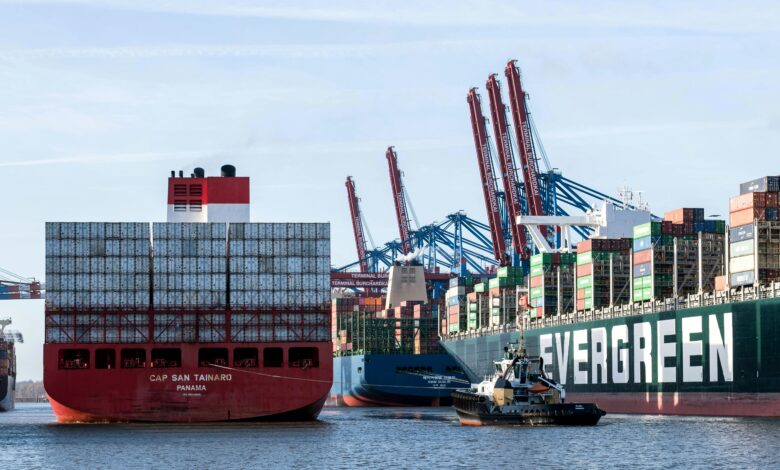
Smart ports utilize automated cranes and AI-driven slot booking to reduce the time car carriers spend idling at the docks.
Digital customs documentation allows for “pre-clearance,” meaning shipments can be approved for entry while they are still in the middle of the ocean.
-
Automated Terminal Operations: Using self-driving gantry cranes to move containers with unmatched speed and safety.
-
Electronic Bill of Lading (eBL): Eliminating paper-based documentation to speed up the transfer of ownership and customs filing.
-
Authorized Economic Operator (AEO): Gaining “trusted trader” status to enjoy faster border crossings and fewer physical inspections.
Redefining the Future of Global Vehicle Movement
The automotive world is entering a phase where logistics is the ultimate competitive advantage. Traditional methods are no longer sufficient to handle the complexity of modern electric vehicle production.
Enterprise-level systems must prioritize data transparency and real-time responsiveness above all else. Resilience is built through a combination of advanced technology and strategic inventory buffering.
Global brands that fail to modernize their logistics will face increasing costs and production delays. Sustainable transport is now a requirement for attracting high-value institutional investment and support.
The integration of AI and robotics is turning warehouses into high-speed nodes of digital activity. Innovation in the supply chain is just as important as innovation under the vehicle’s hood.
Mastering the Art of Supply Chain Resilience
Navigating a globalized market requires a sophisticated understanding of multi-modal transport lanes. Risk management must be baked into the core of every logistics decision made at the board level. High-value advertisers and partners are drawn to companies that demonstrate total operational control.
The transition to a digital supply chain is a long-term investment in corporate survivability. Every saved minute in the logistics cycle translates directly to improved shareholder value. Collaboration between manufacturers and logistics providers is the key to overcoming global volatility.
Automated systems provide the scalability needed to meet the demands of a growing global population. Future success belongs to those who view their supply chain as a living, breathing asset.
Executing the Transformation Toward Smart Logistics
We are witnessing the birth of a truly autonomous and interconnected automotive ecosystem. This journey requires a bold commitment to ditching legacy processes in favor of digital excellence. The focus must remain on the seamless flow of goods from the supplier to the end consumer. Every technological upgrade brings the industry closer to a zero-waste, high-efficiency future.
Enterprise leaders have the power to reshape the world’s most complex moving parts. The road ahead is paved with data, automation, and a relentless pursuit of operational perfection. Let us lead the charge toward a more resilient and sustainable automotive logistics framework. The revolution has already begun, and the opportunities for growth are truly limitless.
Conclusion

Revolutionizing automotive logistics is essential for maintaining enterprise agility in a volatile global market. Data-driven visibility ensures that manufacturers can track critical components with unmatched precision across all borders.
Multi-modal transport optimization allows for the perfect balance between delivery speed and operational cost efficiency. Automated warehousing systems are significantly reducing human error while increasing the throughput of essential parts. Strategic inventory buffering provides a vital safety net against the unpredictability of modern global supply chains.
Green logistics initiatives are now a core component of institutional-grade corporate social responsibility and ESG goals. The integration of digital twins and AI allows for real-time stress testing of the entire automotive supply network. Ultimately, a modernized logistics system is the foundation upon which the future of the automotive industry will be built.