
The European Union’s ambitious, landmark decision to ban the sale of new passenger cars and vans emitting carbon dioxide (CO2) by 2035 is undergoing significant refinement, with a strategic push for flexibility to accommodate diverse technological pathways and economic realities. While the overarching goal of achieving zero-emission mobility remains firm, the final regulatory framework is designed to integrate potential loopholes and alternative solutions, notably for fuels that could achieve carbon neutrality in specialized applications.
This push for flexibility is a direct response to intense lobbying from specific industrial sectors and geopolitical considerations surrounding energy transition and technological sovereignty. The resulting policy balance seeks to provide both the regulatory certainty required for massive automotive and energy sector investment and the necessary adaptability to evolving technologies. A thorough examination of this nuanced policy shift reveals the critical role of e-fuels and other non-electric options, the economic pressures driving the change, and the long-term implications for the future of European mobility.
1. The Core Mandate and Necessary Flexibility
The foundation of the European policy is the Fit for 55 package, which aims for a 55% reduction in net greenhouse gas emissions by 2030, culminating in the 2035 target. The introduced flexibility is designed to manage the practical difficulties of this sweeping legislative change.
A. The 2035 Zero-Emission Target Defined
The central pillar of the regulation is the mandate that all new passenger cars and vans registered in the EU from January 1, 2035, must achieve a 100% reduction in CO2 emissions as measured under the CO2 emissions testing cycle.
- Focus on Tailpipe Emissions: The regulation initially focused solely on CO2 emissions at the tailpipe, directly incentivizing Battery Electric Vehicles (BEVs) and Fuel Cell Electric Vehicles (FCEVs). This clear metric provided the regulatory certainty that catalyzed massive investment in gigafactories and EV platforms across the continent.
- Intermediate Targets: The policy also includes binding intermediate targets, such as a CO2 reduction of 55% for cars and 50% for vans by 2030, ensuring a rapid, continuous trajectory toward the final 2035 goal and preventing backloading of investment.
- The End of Conventional Hybrids: Since even the most efficient standard hybrids and plug-in hybrids (PHEVs) emit CO2 from the tailpipe during operation, the 2035 mandate effectively marks the end of their sale as new vehicles, forcing a full transition to ZEV technology.
B. The Strategic Inclusion of Carbon-Neutral Fuels (e-Fuels)
The most significant aspect of the flexibility push is the conditional exemption granted for vehicles running exclusively on carbon-neutral synthetic fuels, or e-fuels.
- The Policy Loopholes: Under the final agreement, the European Commission committed to proposing a dedicated regulatory path for vehicles running exclusively on e-fuels after 2035, provided these fuels can demonstrate CO2neutrality over their entire life cycle.
- E-Fuel Definition: E-fuels, or electro-fuels, are synthetic liquid hydrocarbons produced by capturing atmospheric CO2 and combining it with hydrogen (H2) generated through electrolysis powered entirely by renewable electricity. While they emit CO2 when combusted, the net atmospheric impact is theoretically zero, as the same amount of CO2 was captured during their creation
. 3. Dedicated Engine Technology: The flexibility provision is highly restrictive: the vehicles must be certified to run exclusively on e-fuels. This means the cars will require specialized technology or a modified engine management system that prevents them from operating on conventional fossil gasoline, ensuring environmental integrity. 4. Political Compromise: This provision was a crucial political compromise, primarily driven by strong lobbying from the German automotive industry and specific political parties who sought to preserve the internal combustion engine (ICE) for niche applications, particularly high-performance and classic cars, and to maintain an export market for ICE technology.
C. Small Volume Exemption (Niche Manufacturers)
The final regulation provides an exemption for small-volume manufacturers, often referred to as the “Ferrari Amendment.”
- Criteria for Exemption: Manufacturers producing fewer than 1,000 new vehicles per year are entirely exempt from the 2035 targets. This provision is designed to protect highly specialized, low-volume, luxury, or racing car manufacturers who face disproportionately high costs in developing new EV platforms.
- Micro-Volume Exception: An additional, but temporary, exemption applies to manufacturers selling between 1,000 and 10,000 cars per year (or 1,000 to 22,000 vans), allowing them additional time to comply, recognizing the financial burden of rapid platform conversion on medium-sized specialists.
2. The Strategic Rationale Behind E-Fuel Flexibility
The inclusion of e-fuels is not a retreat from climate goals but a calculated strategic move addressing infrastructure, existing fleets, and technological exports.
A. Addressing the Existing Vehicle Fleet Challenge
The vast majority of the CO2 reduction needed by 2050 must come from decarbonizing the millions of ICE vehiclesalready on the road, as the rate of fleet turnover is slow.
- Immediate Carbon Reduction: E-fuels offer the only viable, drop-in solution to decarbonize the existing fleet of ICE cars without requiring costly vehicle replacement or modification. This is a critical factor for achieving mid-term climate targets.
- Distribution Infrastructure Utilization: E-fuels can be distributed through the existing liquid fuel infrastructure (pipelines, tankers, gas stations) without massive, immediate investment in new storage and distribution networks, accelerating their potential deployment speed compared to hydrogen or electrical charging points.
- Preserving Strategic Assets: The e-fuel option allows refining and logistics companies to repurpose existing assets, such as pipelines and storage tanks, rather than rendering them entirely obsolete, which is a key economic consideration for energy industry stakeholders.
B. Maintaining Technological Sovereignty and Export Markets
The flexibility ensures European manufacturers can continue to develop and export advanced ICE technology.
- Export Market Necessity: Many global markets (e.g., in Africa, Latin America, and parts of Asia) are not expected to transition to ZEVs by 2035 due to economic or infrastructural limitations. Preserving the ability to develop and manufacture advanced, e-fuel-compatible ICEs ensures European automakers retain crucial export market share.
- Skilled Workforce Retention: The e-fuel route provides a strategic rationale for retaining a highly skilled engineering workforce specializing in engine and powertrain development, which would otherwise become redundant, preserving European technological know-how in complex mechanical systems.
- Hydrogen Technology Synergy: E-fuel production is intrinsically linked to green hydrogen production, as H2 is a key input. By supporting e-fuels, the EU simultaneously boosts investment in green hydrogen, which is a core pillar of its broader industrial decarbonization strategy
C. Infrastructure Resilience and Consumer Choice
Flexibility provides a hedge against unforeseen challenges in the all-electric transition.
- Hedging Against Critical Mineral Shortages: Relying exclusively on BEVs makes Europe highly dependent on global supply chains for critical battery minerals (lithium, nickel, cobalt). The e-fuel option acts as a technological hedge against future geopolitical supply shocks or sudden material scarcity.
- Solving the Niche Case Problem: E-fuels can be a superior solution for niche uses, such as high-performance sports cars or classic car clubs, where the weight and performance characteristics of large battery packs are undesirable.
3. Challenges and Controversy of the Flexibility Push
The push for flexibility, particularly the e-fuel loophole, is highly controversial and introduces significant technological and economic hurdles.
A. Energy Efficiency Deficit
The primary critique of e-fuels centers on their fundamental energy inefficiency compared to direct electrification.
- Massive Energy Waste: The process of generating green hydrogen (electrolysis), capturing CO2 (Direct Air Capture or industrial capture), synthesizing the fuel (Fischer-Tropsch process), and then combusting it in an engine involves massive energy losses at each stage. Only about 10% to 15% of the original renewable electricity used is effectively converted into mechanical energy at the wheel, compared to 75% to 90% efficiency for a BEV [Diagram comparing BEV efficiency vs. e-fuel efficiency].
- Unprecedented Renewable Power Demand: To power the production of e-fuels for a significant portion of the European fleet, the amount of required new renewable electricity generation would be astronomically high—potentially dwarfing the energy required to charge the same BEV fleet.
B. Cost and Scarcity of E-Fuels
E-fuels are currently extremely expensive to produce and are likely to remain a scarce commodity for the foreseeable future, limiting their mass-market application.
- High Production Cost: The high capital expenditure required for electrolysis and CO2 capture facilities, combined with the low energy efficiency, means e-fuels currently cost several times more per liter than fossil fuels, making them prohibitively expensive for the average consumer.
- Competition with Aviation and Shipping: E-fuels are indispensable for decarbonizing sectors like aviation and maritime shipping, where electrification is technically impossible due to weight and energy density constraints. The limited global supply of e-fuels is expected to be prioritized for these “hard-to-abate” sectors, leaving little volume for passenger cars.
- Supply Chain Certification: Ensuring the CO2 neutrality of e-fuels requires rigorous, verifiable certification that every step—from hydrogen generation to CO2 capture—was powered by truly additional, non-diverted renewable electricity, a process that is complex and prone to greenwashing.
C. Regulatory Complexity and Enforcement
The conditional inclusion of e-fuels adds significant complexity to the enforcement of the 2035 ban.
- Preventing Fraud: Regulators face the challenge of ensuring that “e-fuel-only” cars are not fraudulently run on cheaper fossil gasoline, requiring the development of new, complex vehicle monitoring and authentication technologies.
- Defining “Carbon Neutrality”: Establishing a legally binding, technically sound standard for the life-cycle assessment (LCA) of CO2 neutrality for e-fuels is a massive regulatory undertaking, subject to continuous lobbying and scientific debate.
4. Reshaping the European Automotive Industry’s Focus
The flexibility push compels European automakers to divide their investment strategy between the dominant BEV pathway and the niche e-fuel solution.
A. The Dominant BEV Trajectory
Despite the e-fuel loophole, the vast majority of investment and product development remains focused on BEVs.
- Mass-Market Investment: Automakers are allocating the overwhelming majority of their R&D and capital expenditure to new, scalable BEV platforms, next-generation battery technology, and in-house software development. This is the only path to high-volume, profitable sales post-2035.
- Gigafactory Commitment: The commitment to building large-scale, domestic battery gigafactories across the EU remains the single largest industrial investment, confirming the long-term focus on electric powertrains.
- Software-Defined Vehicle (SDV) Priority: The EV architecture facilitates the SDV, which promises high-margin, recurring revenue through subscriptions. This new business model is a far more powerful financial incentive than maintaining the legacy ICE structure for e-fuels.
B. Niche Investment in E-Fuel Powertrains
Investment in e-fuel technology is highly concentrated among specialized manufacturers or high-performance divisions.
- High-Performance Vehicle Preservation: Companies specializing in luxury and high-performance vehicles are investing in e-fuel engine compatibility to preserve the unique driving characteristics and brand identity associated with high-revving ICE powertrains, catering to an affluent, niche market.
- Technological Export Strategy: Some manufacturers are maintaining a small, specialized R&D team dedicated to making ICEs maximally efficient and e-fuel-compatible, specifically to service global export markets that will transition slowly.
- Collaboration with Energy Companies: The success of the e-fuel pathway hinges on large-scale production by energy companies. Automakers are forming strategic partnerships with hydrogen and synthetic fuel producers to secure future supply, such as the Porsche-Siemens Energy pilot projects.
C. The Role of Hydrogen Fuel Cells (FCEVs)
The EU’s push for flexibility also includes support for hydrogen as a direct power source, mainly for commercial transport.
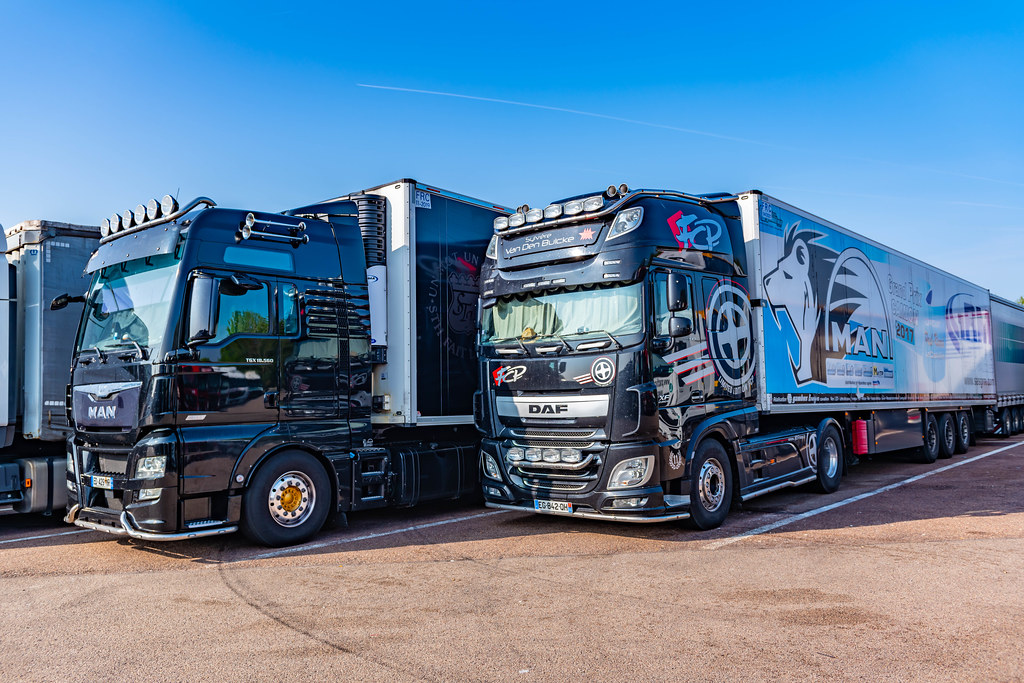
- Focus on Heavy-Duty Transport: FCEVs are primarily viewed as the optimal solution for long-haul trucking, maritime, and specialized commercial fleets, where the rapid refueling and high energy density of hydrogen overcome the weight and charging time constraints of large BEV batteries.
- Infrastructure Synergy: Investment in green hydrogen production (necessary for e-fuels) directly benefits the FCEV pathway, creating a synergistic effect that drives the development of the overall hydrogen value chain across Europe.
5. Long-Term Impact on European Mobility
The policy’s flexibility has set the stage for a dual-path future for European transportation, requiring continuous monitoring and policy adjustment.
A. The Dominant Electrical Ecosystem
Despite flexibility, the BEV will constitute the overwhelming majority of new vehicle sales by 2035 and beyond, defining the future of the European transport grid.
- Grid Investment Priority: The vast majority of infrastructure spending—from public charging networks to transmission line upgrades—will be directed toward supporting the electrical ecosystem, not the e-fuel distribution system.
- Affordability and TCO: As battery costs continue to fall, the TCO of BEVs will prove unbeatable in the mass market, relegating e-fuels to a high-cost, niche energy source for specialized vehicles.
- Public Perception and Environmental Mandate: The public and political narrative will continue to overwhelmingly favor zero-tailpipe-emission vehicles, ensuring the BEV remains the preferred technology for meeting climate goals.
B. The Future of the Existing Fleet
The e-fuel flexibility offers a crucial tool for accelerating the decarbonization of the legacy fleet.
- Mandating E-Fuel Blending: Future regulations may focus on mandating the blending of e-fuels into the existing fossil fuel pool, slowly decarbonizing all vehicles currently on the road, which is a powerful lever for achieving short-to-medium term CO2 reductions.
- Market Niche Longevity: The e-fuel option ensures that specialty vehicles and historically significant cars can continue to be driven in a carbon-neutral manner, preserving the cultural heritage associated with high-performance automotive engineering.
C. Policy Review and Adaptation
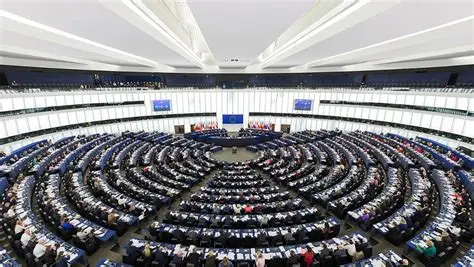
The EU’s regulatory framework includes mechanisms for review, ensuring the flexibility remains relevant to technological evolution.
- Regular CO2 Target Review: The Commission is mandated to periodically review the policy against climate targets and technological progress, allowing for adjustments to the e-fuel criteria or the introduction of new technologies (e.g., solid-state batteries) into the framework.
- LCA Standardization: A continuous process of standardizing the Life-Cycle Assessment (LCA) methodology for all fuels and power sources will be necessary to ensure that the claim of “carbon neutrality” holds up to scientific and regulatory scrutiny.
Final Thought
The European Union’s push for flexibility within its stringent 2035 car ban is a complex, strategic maneuver—not a policy retreat. While the overwhelming industrial and economic force is dedicated to the Battery Electric Vehicle pathway, the inclusion of conditional allowances for e-fuels is a pragmatic compromise. It serves three vital strategic purposes: hedging against supply chain instability, preserving critical technological expertise for export markets, and providing a tool to decarbonize the massive existing fleet of ICE vehicles. Ultimately, e-fuels will remain a niche, high-cost solution for specialized vehicles and hard-to-abate sectors. The BEV will define the mass market of European mobility, but this carefully calibrated flexibility ensures the regulatory framework is resilient, adaptive, and encompasses the entire CO2 reduction challenge, both in new sales and the existing fleet.