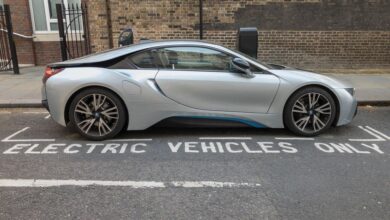
The transition toward electric mobility is no longer a futuristic concept but a present-day operational necessity for high-performing enterprises worldwide. As global regulations tighten and the cost of fossil fuels remains volatile, businesses are realizing that switching to electric vehicles (EVs) is a strategic financial move. However, simply purchasing a fleet of electric cars or trucks is not enough to guarantee success or long-term profitability. To truly excel, an organization must implement a sophisticated set of blueprints designed to optimize every aspect of fleet performance. This involves a deep integration of real-time data analytics, advanced battery management, and strategic charging infrastructure that minimizes downtime.
We are currently witnessing a shift where the “fuel” of the future is data and electricity, requiring a total overhaul of traditional maintenance mindsets. Mastering these elite blueprints allows a company to significantly reduce its total cost of ownership while enhancing its environmental reputation among modern consumers. This guide is built to deconstruct the complexities of managing a large-scale electric fleet, providing you with the technical and operational insights needed for absolute mastery. By focusing on the synergy between hardware and software, you can transform your fleet from a standard logistics expense into a high-efficiency asset.
The Foundation of Advanced EV Fleet Architecture

Building an elite electric fleet requires a fundamental understanding of how digital systems interact with physical automotive hardware.
A. Vehicle Selection and Duty Cycle Analysis
Not all electric vehicles are created equal, and selecting the wrong model for a specific route can lead to massive inefficiencies. A thorough analysis of your daily range requirements and payload needs ensures that you are not paying for battery capacity you don’t use.
B. Integrated Telematics and Real-Time Monitoring
Modern EV fleets rely on sophisticated telematics that track more than just GPS location. These systems monitor state-of-charge, battery health, and driver behavior in real-time to prevent “range anxiety” and unexpected breakdowns.
C. On-Board Diagnostics and Predictive Maintenance
Electric vehicles have fewer moving parts than internal combustion engines, but they require a different type of care. Predictive algorithms can identify potential cooling system failures or cell imbalances before they lead to a costly out-of-service event.
Strategic Charging Infrastructure and Grid Integration
The way you power your fleet is the most critical factor in determining your daily operational cost and reliability.
A. Level 2 and DC Fast Charging Balance
Finding the right mix between slow overnight charging and rapid mid-day top-offs is essential for preserving battery life. Level 2 chargers are ideal for depots where vehicles sit for long periods, while DC fast chargers provide the necessary speed for high-utilization routes.
B. Smart Charging and Peak Shaving Strategies
Charging dozens of vehicles at once can cause a massive spike in electricity demand and cost. Smart software can stagger charging times to take advantage of lower night-time rates while ensuring every vehicle is ready for the morning shift.
C. Vehicle-to-Grid (V2G) and Energy Storage Opportunities
An idle electric fleet is essentially a giant mobile battery that can provide power back to the grid during peak hours. This V2G technology allows companies to generate additional revenue or lower their facility’s energy costs by utilizing stored energy during expensive periods.
Battery Health Mastery and Longevity Optimization
The battery is the most expensive component of an electric vehicle, and its lifespan directly impacts your return on investment.
A. Thermal Management and Environmental Controls
Extreme heat and cold are the primary enemies of lithium-ion batteries. Elite blueprints prioritize vehicles with active liquid cooling and heating systems to keep the battery within its optimal temperature window at all times.
B. Optimal State-of-Charge (SoC) Buffer Management
Constantly charging to 100% or discharging to 0% can rapidly degrade battery chemistry. Implementing a “buffer” policy—keeping batteries between 20% and 80% whenever possible—can significantly extend the useful life of the fleet.
C. Fast Charging Impact and Mitigation
While fast charging is convenient, it generates heat that can stress battery cells over time. Using high-speed charging only when mission-critical helps maintain the structural integrity of the battery packs for the long haul.
Driver Training and Behavioral Efficiency
The person behind the wheel has a massive impact on the energy efficiency and safety of an electric vehicle.
A. Regenerative Braking Mastery and One-Pedal Driving
Electric vehicles can recover energy during deceleration, but this requires a specific driving style. Training drivers to use regenerative braking instead of mechanical brakes can increase range by up to 15% in stop-and-go traffic.
B. Climate Control Efficiency and Pre-Conditioning
Heating and air conditioning can drain an EV battery quickly, especially in extreme weather. Drivers should be taught to “pre-condition” the vehicle while it is still plugged into the charger to save battery power for the actual driving.
C. Monitoring Acceleration and Speed Profiles
Smooth acceleration and maintaining moderate speeds are much more important in EVs than in traditional cars. Telematics can provide “gamified” feedback to drivers, encouraging them to compete for the best energy-efficiency scores.
Total Cost of Ownership (TCO) and Financial Modeling
Transitioning to an electric fleet requires a move from focusing on “sticker price” to analyzing the entire lifecycle of the asset.
A. Maintenance Savings and Component Durability
EVs eliminate the need for oil changes, spark plugs, and transmission repairs. These savings should be carefully tracked and reinvested into the charging infrastructure or newer vehicle technologies.
B. Incentives, Rebates, and Tax Credit Optimization
Government programs often provide significant capital to help businesses switch to green energy. Identifying and applying for these grants can reduce the initial purchase price of an electric fleet by 20% to 40%.
C. Residual Value and Second-Life Battery Markets
Even when an EV is no longer fit for fleet duty, its battery still has high value for stationary energy storage. Planning for the “second life” of these batteries provides a final injection of capital at the end of the vehicle’s primary lifecycle.
Software-Defined Fleet Management Systems
In the world of electric vehicles, the software is just as important as the motor and the wheels.
A. Cloud-Based Energy Management Platforms
Centralized software allows fleet managers to oversee energy consumption across multiple sites. These platforms can integrate with local utility providers to automatically adjust charging behavior based on real-time grid conditions.
B. Route Optimization for Range Efficiency
AI-driven routing software considers elevation changes, weather, and traffic to determine the most energy-efficient path. This ensures that vehicles arrive at their destination with a safe margin of battery power remaining.
C. API Integration with Enterprise Resource Planning (ERP)
Connecting your fleet data to your broader business software allows for automated accounting and reporting. This transparency makes it easier for executives to see the real-world impact of the EV transition on the bottom line.
Scaling and Future-Proofing the Fleet
As the technology evolves, your fleet architecture must be flexible enough to adopt new innovations.
A. Modular Charging Station Designs
When installing infrastructure, it is wise to lay more conduit and power capacity than you currently need. This allows you to add more chargers in the future without expensive and disruptive construction work.
B. Adopting High-Power Megawatt Charging Systems
For heavy-duty trucking, standard chargers are often too slow. Staying informed about the latest high-power standards ensures your fleet is ready for the next generation of long-haul electric transportation.
C. Solid-State Battery and Next-Gen Tech Readiness
While lithium-ion is the current standard, solid-state batteries promise even more range and faster charging. Keeping a portion of your fleet on flexible lease terms allows you to upgrade to these new technologies as they become commercially viable.
Sustainable Sourcing and Circular Economy Goals
True sustainability goes beyond tailpipe emissions and looks at the entire supply chain of the fleet.
A. Battery Recycling and Raw Material Recovery
Partnering with specialized recyclers ensures that valuable materials like cobalt and nickel are recovered at the end of a vehicle’s life. This reduces the need for new mining and lowers the environmental footprint of the fleet.
B. Renewable Energy Procurement and Microgrids
Charging an electric fleet with coal-powered electricity is only a partial win. Elite fleets often install their own solar arrays and microgrids to ensure that their “fuel” is 100% renewable and locally generated.
C. Vendor Accountability and Ethical Supply Chains
High-performing organizations demand transparency from their vehicle manufacturers regarding where battery minerals are sourced. This protects the company from reputational risks associated with unethical mining practices.
Safety Protocols and First Responder Training
Electric vehicles present unique safety challenges that must be addressed through specialized training and equipment.
A. High-Voltage Safety Awareness for Staff
Everyone involved with the fleet—from drivers to cleaners—must understand how to safely interact with high-voltage systems. Clear labeling and “do not touch” zones prevent accidental shocks during daily operations.
B. Fire Suppression Systems and Emergency Procedures
EV battery fires are rare but require specific techniques to extinguish. Investing in specialized fire blankets and training local fire departments on your fleet’s specific shut-off procedures is a vital safety step.
C. Secure Data Transmission and Cyber Resilience
As vehicles become more connected, they also become potential targets for hackers. Ensuring that your fleet management software uses end-to-end encryption protects your vehicles and your data from external threats.
Global Compliance and Regulatory Navigation
Staying ahead of the legal curve is essential for avoiding fines and maintaining operational freedom.
A. Tracking Zero-Emission Zone (ZEZ) Requirements
Many major cities are implementing zones where only electric or zero-emission vehicles are allowed to enter. An electric fleet ensures that your business can continue to serve customers in high-density urban centers without interruption.
B. Carbon Reporting and ESG Compliance
Publicly traded companies are increasingly required to report their Scope 1 and Scope 2 emissions. Electric fleets provide a clear, data-backed way to demonstrate progress toward corporate sustainability targets.
C. Mandatory Fleet Electrification Timelines
Some jurisdictions have already set dates for the total phase-out of internal combustion engines. Implementing these blueprints now allows your organization to transition slowly and strategically rather than in a rushed panic.
Conclusion

Mastering elite electric fleet performance is the ultimate strategy for modern business resilience. The transition to EVs is a complex process that requires a dedicated focus on both hardware and data. Energy management through smart charging is the key to lowering your total cost of operation. Protecting battery health is the most important factor in maintaining the long-term value of your assets. Driver behavior can make or break the efficiency of even the most advanced electric vehicle. Infrastructure should be designed with future growth and technological shifts in mind.
Software platforms allow for a level of transparency and optimization that was never possible with gas vehicles. Sustainability goals are best achieved when renewable energy is integrated directly into the charging process. Safety must always remain the top priority when dealing with high-voltage electrical systems. Regulatory compliance provides a competitive advantage in an increasingly green global economy. Collaboration with utility providers ensures that your fleet and the grid can grow together. Predictive maintenance reduces the downtime that often plagues traditional commercial fleets.
The shift toward a circular economy ensures that your assets provide value long after their road life ends. Innovation in battery chemistry will continue to provide more range and faster turnaround times. The era of the internal combustion engine is fading in favor of a cleaner and more efficient future. By adopting these blueprints, you are securing your place at the forefront of the green industrial revolution. True leadership in the modern world is defined by the ability to balance profit with environmental protection.