The global automotive landscape is witnessing a tectonic power shift as Chinese automakers aggressively expand their export armadas, transitioning from being primarily domestic manufacturers to formidable international competitors. This export surge is characterized by unprecedented speed, technological sophistication, and a keen focus on high-growth electric vehicle (EV) segments, effectively challenging the century-long dominance of established Japanese, European, and American brands. Driven by supportive industrial policy, mastery of the EV supply chain, and immense domestic scale, Chinese companies are now targeting key markets in Europe, Southeast Asia, Latin America, and beyond, forcing rivals to rapidly reassess their product strategies and cost structures. This expansion is not merely a quantitative increase in sales; it represents a qualitative leap that is reshaping global trade dynamics, accelerating the shift to electric mobility, and intensifying geopolitical competition over future transport technologies. A comprehensive analysis of this monumental expansion reveals its core drivers, the strategic methods of entry, the disruption caused in target markets, and the long-term implications for global automotive sovereignty.
1. The Foundational Pillars of China’s Export Supremacy
The current export surge is built upon a deliberate, decades-long national industrial strategy that focused on securing core technologies and achieving unmatched scale.
A. Mastery of the Electric Vehicle Supply Chain
China’s overwhelming control over the EV value chain provides an insurmountable structural cost advantage and dictates the pace of global electrification.
- Battery Production Dominance: Chinese companies, most notably CATL and BYD, command the majority of the world’s battery cell and pack manufacturing capacity (Gigafactories). This scale allows them to secure materials at lower prices and benefit from steep manufacturing learning curves, leading to the lowest cost per kilowatt-hour (kWh) globally.
- Critical Mineral Processing: China controls the vast majority of the world’s processing capacity for key battery minerals, including lithium, cobalt, and rare earth elements. This vertical integration ensures security of supply and cost control, a major strategic advantage over international rivals who must source processed materials from China.
- Leading LFP Technology: Chinese firms pioneered and perfected the Lithium Iron Phosphate (LFP) battery chemistry, which is cheaper, safer, and offers a longer cycle life than traditional Nickel-Cobalt-Manganese (NCM) batteries. This mastery allows them to produce highly competitive, affordable EVs that are ideal for mass-market export.
- Power Electronics and Software: Beyond the battery, Chinese manufacturers have rapidly closed the gap in power electronics (inverters, motors) and have aggressively adopted Software-Defined Vehicle (SDV)architectures, often integrating advanced digital features appealing to global consumers at lower cost.
B. Immense Domestic Scale and Competition
The fiercely competitive domestic Chinese market serves as an unparalleled testing ground and provides the necessary scale for profitable international expansion.
- Volume-Driven Cost Reduction: China’s status as the world’s largest and fastest-growing EV market provides the production volume necessary to achieve unprecedented economies of scale. This allows manufacturers to amortize the massive R&D costs of new platforms across millions of units quickly, making their export products competitively priced from day one.
- Hyper-Competitive Product Cycles: Intense domestic competition forces Chinese brands to adopt rapid product development cycles—often refreshing models every year—leading to highly innovative and feature-rich vehicles that meet diverse consumer preferences better and faster than traditional global players.
- Supply Chain Maturity: The sheer volume of domestic production has matured the entire local supplier ecosystem, ensuring high-quality, localized, and fast component supply that traditional international supply chains struggle to match in speed or cost.
C. Strategic Government Industrial Policy
The export push is underpinned by long-term government policy that provided initial financial support and continues to guide technological direction.
- Subsidies and Tax Incentives: While direct consumer subsidies for EVs have tapered, initial policies provided critical seed funding for battery and EV R&D, allowing firms to establish technological leads without the immediate pressure for profitability.
- Export Financing and Trade Agreements: The government supports the export drive through state-backed financing, preferential loans, and strategic trade agreements with target regions (e.g., Southeast Asia, South America), simplifying market entry and reducing financial risk.
- Prioritization of Strategic Technology: National policy mandates the focus on “New Energy Vehicles” (NEVs), ensuring that private capital and industrial efforts are concentrated on electrification, creating a technological concentration that few other nations can match.
2. Strategic Methods of Global Market Entry
Chinese automakers are employing diverse and highly adaptive strategies to enter and disrupt established global markets, moving beyond simple price competition.
A. Leveraging Value-Focused Emerging Markets
The initial phase of the export armada focused on markets where price and speed of deployment are paramount.
- Southeast Asia (ASEAN): Utilizing the ASEAN-China Free Trade Area and targeting the region’s strong cultural acceptance of digital technology, Chinese brands are dominating markets like Thailand, Indonesia, and Vietnam with highly competitive budget and mid-range EVs. This is achieved through rapid local assembly (CKD/SKD) to meet local content rules.
- Latin America and Mexico: Targeting these regions with affordable, durable, and technology-rich vehicles, Chinese brands are rapidly gaining market share against Japanese and Korean incumbents, often leveraging Free Trade Agreements to optimize tariffs. Mexico, in particular, serves as a crucial staging ground for future North American ambitions.
- Russia and CIS Markets: Following the withdrawal of Western brands, Chinese automakers quickly filled the vacuum, establishing market dominance by providing a reliable supply of modern vehicles and leveraging existing trade relationships.

B. Aggressive Penetration of European Markets
The invasion of the sophisticated and regulatory-driven European market is the ultimate test of the Chinese export armada’s quality and competitive edge.
- Focus on the Affordable EV Segment: Chinese brands are successfully attacking the affordability gap in Europe, offering highly competitive, small-to-mid-size EVs at price points that legacy European manufacturers struggle to match due to their high labor and component costs.
- Brand Acquisition and Re-Launch: Some Chinese groups utilize the strategy of acquiring and reviving defunct European brands (e.g., MG) or establishing new, premium-focused brands (e.g., BYD’s luxury line) to gain immediate access to established dealer networks and consumer trust.
- Establishing Direct Sales Networks: Many brands are bypassing traditional European dealer networks, opting instead for direct-to-consumer (DTC) or agency models. This grants them greater control over pricing, inventory, and the customer experience, reducing the friction and cost associated with legacy distribution.
- Compliance and Safety: To succeed in Europe, Chinese exports must meet the EU’s stringent Euro NCAP safety standards and complex UNECE cybersecurity and safety regulations, a hurdle they are increasingly clearing, demonstrating the high quality of their modern platforms.
C. Strategic Use of Foreign Direct Investment (FDI)
The export drive is evolving into a strategy of localized production to navigate trade barriers and secure long-term market presence.
- “Build Where You Sell” Philosophy: Facing potential anti-dumping duties or trade protectionism (especially in the EU), Chinese firms are actively establishing local manufacturing hubs (assembly plants and battery packaging facilities) in key regions to gain acceptance and comply with local content rules.
- Joint Ventures (JVs) with Local Partners: In high-risk markets or those with complex regulatory requirements, Chinese firms utilize JVs with established local players to leverage local expertise, distribution, and political connections.
3. Market Disruption and Impact on Global Competitors
The Chinese export armada is generating significant disruption, forcing a painful reckoning among global automotive incumbents.
A. Accelerated Pricing Pressure and Margin Erosion
The entry of Chinese automakers immediately intensifies price competition, particularly in the mass-market EV segment.
- The Cost Parity Threat: Chinese manufacturers are pushing the envelope for price parity between EVs and ICE vehicles, forcing global rivals to slash prices on their EV models and absorb massive losses simply to remain competitive.
- ICE Profit Erosion: The shift of consumer demand toward cheaper, feature-rich Chinese EVs erodes the high-margin profitability of traditional ICE SUVs and trucks, which have long been the financial engines of legacy automakers.
- Forced Vertical Integration: To compete on cost, Western and Japanese manufacturers are being forced to vertically integrate their battery supply chains at breakneck speed, committing billions in high-risk capital to building their own gigafactories—a strategic move China pioneered years ago.
B. Technological Catch-Up Mandate
Chinese market entry exposes the relative technological slowness of global incumbents in key areas.
- Software-Defined Vehicle (SDV) Lag: Many legacy rivals are struggling to match the seamless, feature-rich digital cockpits and rapid OTA update capabilities that Chinese EVs offer as standard, exposing a deep software competency gap.
- Battery Chemistry Strategy: The widespread adoption of LFP by Chinese exporters forces global rivals to rapidly adopt or license LFP technology to remain competitive in the affordability segments, shifting R&D focus away from their own proprietary chemistries.
- Platform Flexibility: Chinese firms are showcasing highly flexible, cost-optimized EV platforms that can quickly spawn new models, making the rigid, slow-to-adapt platforms of many Western rivals appear technologically dated.
C. Geopolitical and Policy Responses
The speed of the Chinese export surge is triggering policy-level protectionist responses in major Western economies.
- Anti-Subsidy Investigations: The European Union has launched formal anti-subsidy investigations into Chinese EV imports, a precursor to potential tariffs aimed at offsetting the perceived unfair advantages gained through state aid.
- Local Content Rules and Tariffs: The U.S. has effectively used the IRA’s local content requirements to erect a high barrier against direct Chinese imports, forcing a localization strategy and intensifying the debate over trade protectionism in the name of national security and climate goals.
- Reciprocal Market Access Demands: Western governments are increasing pressure on China to provide reciprocal market access and address perceived barriers to foreign competition within the Chinese market.
4. Challenges and Future Trajectory of the Export Armada
Despite the current success, the Chinese export armada faces significant non-market challenges related to branding, logistics, and geopolitical friction.
A. Branding and Consumer Trust Hurdles
Overcoming historical perceptions remains a challenge in mature, image-conscious markets.
- Quality Perception: In established markets, Chinese brands must overcome historical negative perceptions regarding long-term quality, reliability, and crash safety, requiring massive marketing investment and sustained positive safety ratings (e.g., Euro NCAP).
- Dealer and Service Network Build-Out: Successful long-term sales depend on comprehensive after-sales service, parts availability, and warranty support. Building out these critical, non-glamorous networks from scratch in dozens of countries is a massive logistical and financial undertaking.
- Data Security Concerns: In Western markets, the high degree of connectivity and data collection in Chinese-made vehicles raises cybersecurity and data privacy concerns among consumers and regulators, requiring transparent data governance strategies.
B. Logistical and Maritime Supply Chain Stress
The scale of the export ambition places immense pressure on logistics.
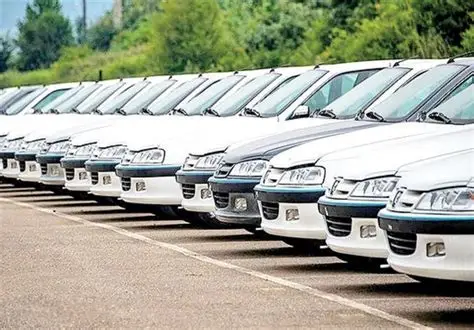
- Shipping Capacity Shortages: The rapid increase in exports is creating shortages of specialized Ro-Ro (Roll-on/Roll-off) shipping vessels used to transport finished cars, forcing companies to secure long-term charters or build their own fleets, adding significant cost.
- Port and Customs Bottlenecks: Managing the massive volume of exports at global ports requires streamlined customs clearance and efficient port logistics, which is a continuous challenge given the sheer scale of the operation.
- Homologation Complexity: Meeting the dozens of unique, specific national and regional homologation (certification) requirements for safety, emissions, and connectivity in every target market is a huge administrative and technical barrier to rapid scaling.
C. The Future of Hydrogen and New Energy Formats
The current export focus is overwhelmingly on BEVs, but future competition may involve hydrogen fuel cells and other new energy formats.
- FCEV Lag: Chinese automakers have a relatively smaller global presence in Hydrogen Fuel Cell Electric Vehicles (FCEVs) compared to Japanese and Korean rivals, a potential technological gap if hydrogen gains traction in heavy-duty or long-haul segments.
- Synthetic Fuel Strategy: The European regulatory environment’s allowance for e-fuels may create a niche for highly efficient ICE technology that Chinese firms have less incentive to develop, potentially limiting their market access in specific high-performance segments.
Final Thought
The expansion of the Chinese export armada marks the most decisive shift in the automotive industry’s power structure in decades. Built on a foundation of technological mastery in the EV supply chain and leveraged by immense domestic scale, Chinese automakers are disrupting global markets with cost-competitive, feature-rich electric vehicles. This surge has triggered a global competitive emergency, compelling Western and Japanese incumbents to accelerate their own costly EV transitions and vertically integrate their supply chains to survive. While brand perception and geopolitical protectionism pose significant headwinds, the sheer momentum and structural advantages held by the Chinese industry ensure that its export armadas will define the pace of global electrification and permanently reshape the landscape of automotive manufacturing and mobility consumption worldwide.