Transitioning a commercial fleet to electric power involves far more than simply swapping out old engines for new batteries. It is a complex architectural shift that requires a deep understanding of energy grid capacity, operational logistics, and long-term asset management.
Modern fleet managers must navigate a landscape where charging infrastructure is just as critical as the vehicles themselves. This shift represents a move toward total cost of ownership models that account for fluctuating energy prices and reduced maintenance intervals. Strategic EV integration allows companies to lower their carbon footprint while simultaneously insulating themselves from volatile fuel markets.
To succeed, businesses must implement data-driven strategies that optimize route planning and charging schedules to maintain peak productivity. By embracing these sustainable vehicle solutions, organizations position themselves at the forefront of a global movement toward green logistics. This guide provides a comprehensive roadmap for mastering the nuances of high-efficiency electric fleet operations in a rapidly evolving economy.
Securing the future of your company’s mobility means thinking beyond the current fiscal quarter. The infrastructure decisions you make today will dictate your operational agility for decades to come.
Core Pillars of Electric Fleet Infrastructure

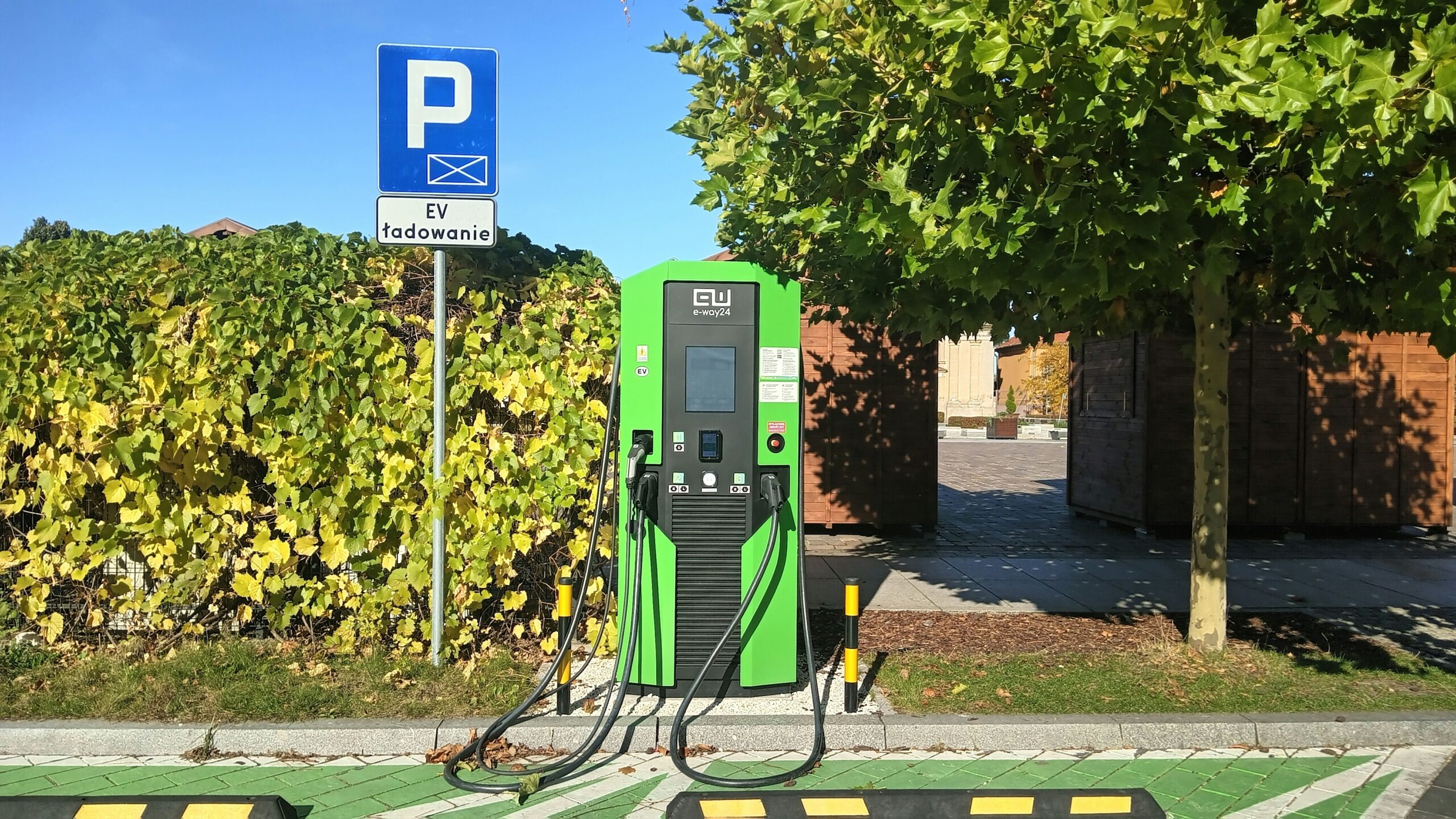
Building a robust charging ecosystem is the foundation of any successful transition to sustainable transport. Without a reliable power source, even the most advanced vehicles are merely expensive ornaments on your lot.
A. Assessing Grid Capacity: Evaluating the local electrical infrastructure to ensure it can support multi-vehicle fast charging.
B. Smart Charging Protocols: Implementing software that staggers charging times to avoid peak utility rates and grid overload.
C. Hardware Selection: Choosing between Level 2 chargers for overnight dwell times and DC Fast Chargers for rapid turnarounds.
D. Maintenance Contracts: Securing long-term service agreements for charging hardware to minimize operational downtime.
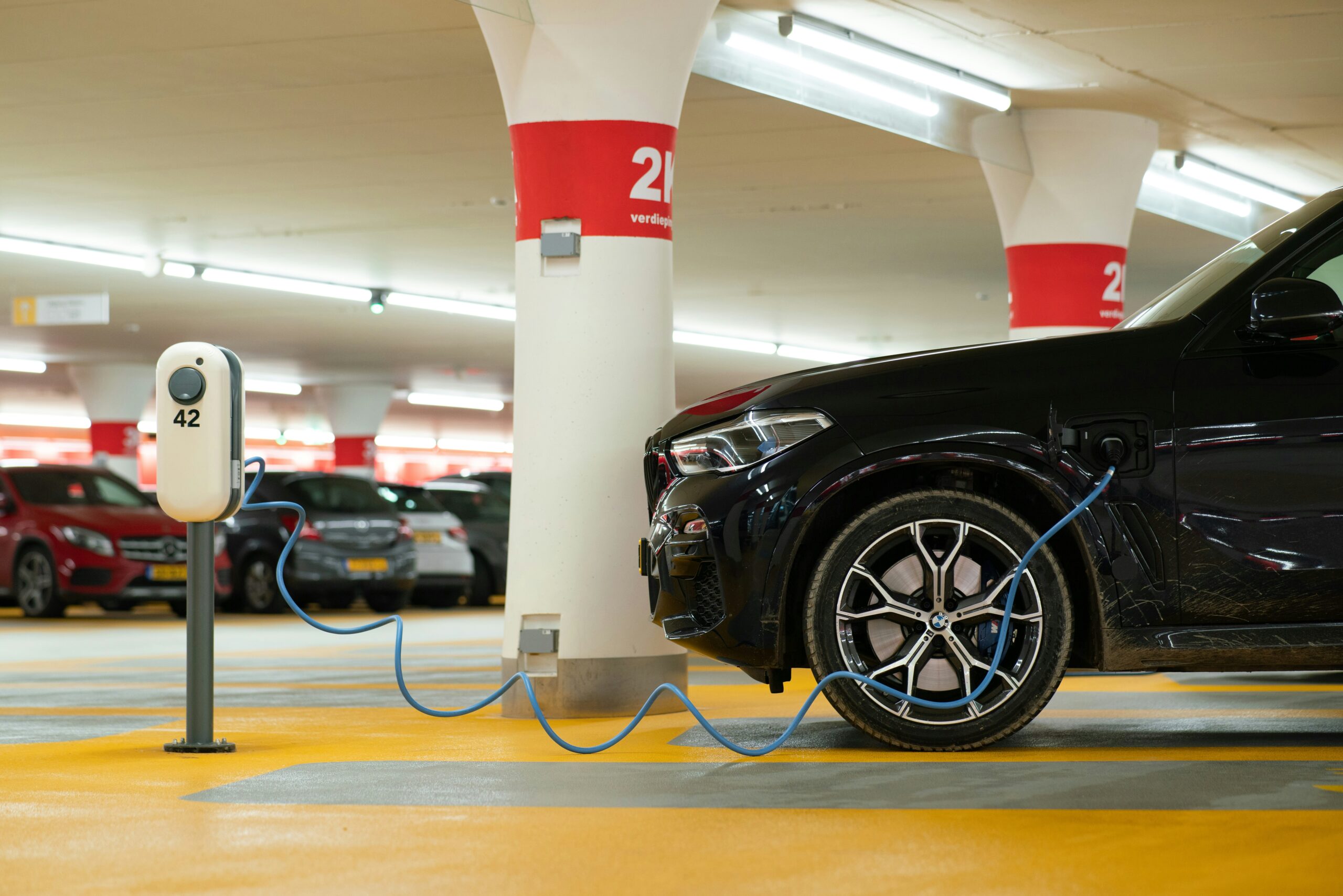
The integration of smart technology into your charging stations allows for a more fluid energy management strategy. This ensures your vehicles are always ready to hit the road without spiking your monthly overhead.
Vehicle Selection and Duty Cycle Analysis
Not every electric vehicle is suited for every job. A successful fleet strategy requires matching the specific range and payload capabilities of a vehicle to its daily mission.
A. Route Modeling: Analyzing daily mileage and elevation changes to determine the minimum battery capacity required.
B. Payload Impact: Factoring in the weight of cargo, which can significantly reduce the advertised range of electric trucks.
C. Driver Training: Educating operators on regenerative braking techniques to maximize energy recovery during urban stop-and-go traffic.
D. Weather Resilience: Accounting for battery performance variations in extreme cold or high-heat environments.
By carefully analyzing the “duty cycle” of each route, fleet managers can avoid the high cost of over-specifying batteries while ensuring no driver is left stranded.
Financial Incentives and Total Cost of Ownership (TCO)
The upfront cost of electric vehicles is often higher than diesel counterparts, but the long-term TCO tells a different story. Understanding how to leverage external funding is key to making the math work.
-
Federal and State Grants: Identifying tax credits and direct subsidies for both vehicle purchases and infrastructure installation.
-
Operational Savings: Calculating the reduction in maintenance costs, as EVs have fewer moving parts than internal combustion engines.
-
Residual Value Trends: Monitoring the secondary market for used EVs to accurately project the asset’s value at the end of its fleet life.
When you factor in the lower cost per mile of electricity versus liquid fuel, the return on investment for an electric fleet becomes increasingly compelling over a 5 to 7-year horizon.
Smart Energy Management and V2G Technology
The future of fleet management involves turning your vehicles into mobile energy storage units. Vehicle-to-Grid (V2G) technology allows fleet operators to sell power back to the grid during peak demand.
A. Bidirectional Charging: Utilizing hardware that allows electricity to flow both into and out of the vehicle battery.
B. Revenue Generation: Participating in demand-response programs where utilities pay you to reduce your draw or supply power.
C. Emergency Backup: Using the fleet’s combined battery capacity to provide backup power to your facilities during outages.
D. Renewable Integration: Linking your EV chargers directly to on-site solar or wind installations for truly zero-emission transport.
This transformation turns your fleet from a pure expense into a flexible energy asset that can generate its own revenue stream.
Managing the Driver Transition Experience
Technology is only as effective as the people who operate it. Transitioning long-term drivers to electric vehicles requires careful communication and hands-on training.
A. Range Anxiety Mitigation: Providing real-time data to drivers so they always know where the nearest compatible charger is located.
B. Performance Feedback: Using telematics to show drivers how their habits directly impact the vehicle’s efficiency.
C. Simplified Refueling: Emphasizing the convenience of “plug-and-walk” charging versus the traditional trip to a fuel station.
D. Safety Protocols: Training teams on high-voltage systems and the specific handling characteristics of heavy-battery vehicles.
A driver who feels confident in the technology will be your best advocate for further fleet expansion and operational efficiency.
Conclusion

Transitioning to an electric fleet is a long-term strategic commitment. It requires a balance of logistical planning and financial foresight. The environmental benefits are significant but the economic ones are even stronger. Always prioritize infrastructure before taking delivery of your first units. Data is your most valuable asset when optimizing route efficiency.
Partnering with local utilities is essential for managing energy costs. The landscape of sustainable transport is changing faster than ever. Staying ahead of the curve ensures your business remains competitive. Start with a pilot program to gather your own real-world data. Your move toward electrification is a foundation for future growth.