The global automotive industry is currently navigating through one of the most transformative eras since the invention of the assembly line. We are witnessing a massive shift in how vehicles are designed, manufactured, and sold across international borders as consumer preferences change rapidly.
This evolution is driven by a combination of technological breakthroughs, environmental necessity, and a growing demand for smarter transportation solutions. Traditional manufacturers are now competing with tech giants and agile startups that specialize in software-defined vehicles and alternative energy sources. Understanding these shifts is crucial for investors, enthusiasts, and industry professionals who want to grasp where the market is headed.
As we move away from fossil fuels, the entire supply chain—from raw material mining to the final showroom experience—is being rebuilt from the ground up. This article explores the deep complexities of the modern automotive trade and the emerging patterns that will define the next decade of mobility.
The Rise of Electric Propulsion Systems
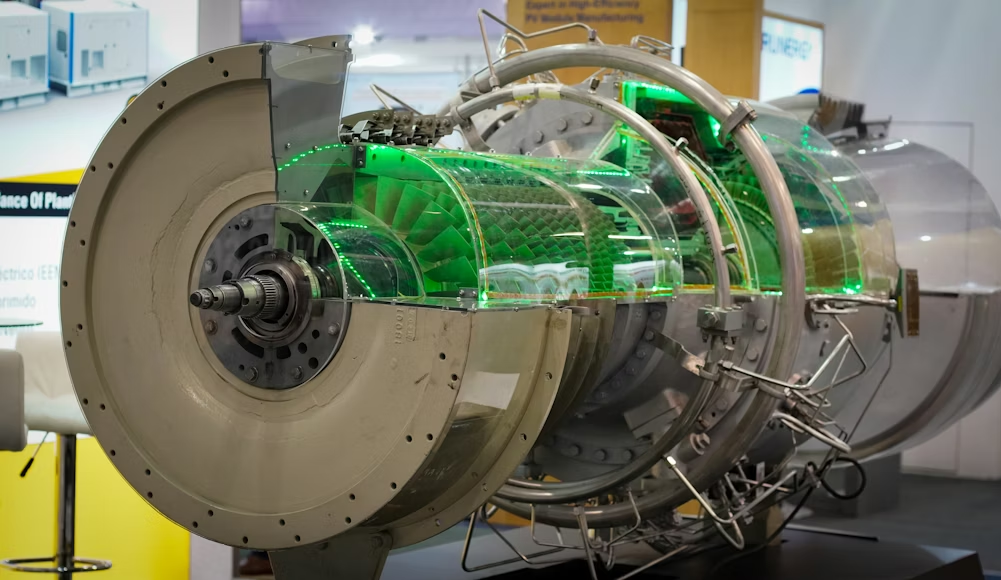
The most visible change in the global market is the aggressive push toward electric vehicles (EVs) across all major continents. This is no longer a niche segment for early adopters but a mainstream movement that is reshaping manufacturing plants worldwide.
A. Battery technology remains the primary focus of research and development.
B. Charging infrastructure expansion is a top priority for governments.
C. Solid-state batteries are being developed to increase range.
D. Legacy automakers are phasing out internal combustion engines.
E. Raw material sourcing for lithium is becoming highly competitive.
The transition to electric power requires a total redesign of vehicle platforms. Engineers are now focusing on “skateboard” chassis designs that house batteries at the bottom for better stability.
Consumers are also becoming more comfortable with the idea of plugging in their cars. As charging speeds increase, the “range anxiety” that once plagued the market is slowly disappearing.
Autonomous Driving and AI Integration
Artificial intelligence is becoming the “brain” of the modern car, moving us closer to a future where vehicles can navigate without human intervention. This trend is changing the car from a simple machine into a sophisticated mobile computer.
A. Level 2 and Level 3 automation are now common in luxury brands.
B. LiDAR and radar sensors are decreasing in cost for manufacturers.
C. Machine learning algorithms help cars predict pedestrian movements.
D. Over-the-air updates allow cars to improve their features overnight.
E. Connectivity between cars and city infrastructure is increasing.
Smart cars are gathering massive amounts of data every second. This information is used to improve safety features and provide a personalized experience for the driver.
The ultimate goal is Level 5 autonomy, where the steering wheel becomes optional. While we are not there yet, the progress in sensor fusion technology is nothing short of incredible.
Supply Chain Resilience and Microchips
The automotive world learned a hard lesson about the fragility of global supply chains during recent years of shortage. Modern cars require hundreds of semiconductors to function, making chip supply a critical factor in trade.
A. Manufacturers are now designing their own custom chips.
B. Onshoring production helps reduce the risk of transport delays.
C. Just-in-time manufacturing is being replaced by more robust models.
D. Strategic partnerships with tech firms are becoming essential.
E. Recycling of rare earth metals is gaining significant traction.
A single luxury vehicle can have over a thousand computer chips inside it. These chips control everything from the engine timing to the seat heating and infotainment systems.
By bringing production closer to home, car companies are protecting themselves from geopolitical shifts. This shift in the trade map is creating new manufacturing hubs in regions that were previously overlooked.
Changes in Consumer Ownership Models
The way people “buy” cars is changing, especially among younger generations in urban environments. The traditional model of owning a car for ten years is being challenged by flexible alternatives.
A. Subscription-based models allow users to swap cars monthly.
B. Car-sharing platforms are reducing the need for private ownership.
C. Leasing remains a popular choice for accessing high-end tech.
D. Peer-to-peer rentals are turning private cars into income assets.
E. Direct-to-consumer sales are bypassing traditional dealership lots.
Many people now view transportation as a service rather than a physical asset. This shift is forcing dealerships to find new ways to add value to the customer experience.
Digital showrooms and online ordering are becoming the new standard. You can now customize, finance, and order a car from your smartphone without ever stepping onto a lot.
The Impact of Emerging Markets
While North America and Europe have traditionally led the market, the spotlight is moving toward Asia and parts of Africa. These regions are leapfrogging older technologies to adopt the latest green solutions.
A. China has become the world leader in EV production and sales.
B. India is rapidly expanding its manufacturing capacity for small cars.
C. Southeast Asia is becoming a major hub for automotive assembly.
D. African nations are exploring local assembly to lower costs.
E. Local brands in these markets are starting to export globally.
The middle class in these emerging economies is growing fast. Their demand for affordable, reliable transportation is driving innovation in the “budget” vehicle segment.
Global brands must adapt their products to suit local infrastructure and climates. A car designed for the smooth roads of Germany may not perform well in the rural regions of a developing nation.
Sustainability Beyond the Exhaust Pipe
True environmental impact isn’t just about what comes out of the tailpipe. Manufacturers are now looking at the “circular economy” to reduce the carbon footprint of the entire vehicle life cycle.
A. Using recycled ocean plastics for interior fabrics and trims.
B. Implementing carbon-neutral manufacturing processes in factories.
C. Developing “second-life” programs for old EV batteries.
D. Sourcing steel and aluminum produced with renewable energy.
E. Designing cars to be easily disassembled at the end of their life.
Green manufacturing is becoming a competitive advantage for brands. Customers are increasingly asking about the ethical origin of the materials in their cars.
Vegan leather and bio-based foams are replacing traditional animal products. This shift toward sustainable luxury is changing the aesthetic of modern car interiors.
The Evolution of In-Car Infotainment
The dashboard has transformed into a giant screen that manages our digital lives. Connectivity is no longer an extra feature; it is a fundamental requirement for the modern consumer.
A. Integration with major smartphone operating systems is standard.
B. Built-in voice assistants are becoming more conversational.
C. High-definition displays are replacing analog gauges.
D. Streaming services are integrated directly into the head unit.
E. Gaming and productivity apps are appearing in parked vehicles.
Software is now the primary way that car brands differentiate themselves. A car with a clunky interface will struggle to sell, regardless of how well it drives.
As screens get larger, designers are focusing on user experience (UX). They want to ensure that the technology is helpful without becoming a distraction for the driver.
Trade Policies and International Regulations
Government rules play a massive role in shaping what kinds of cars are allowed on the road. Safety standards and emission limits vary wildly from one country to another.
A. Stringent emission targets are forcing rapid hybridization.
B. Import tariffs can significantly raise the price of foreign cars.
C. Safety ratings like Euro NCAP influence consumer trust levels.
D. Subsidies for green vehicles are driving market adoption.
E. Standardization of charging plugs is being debated globally.
Navigating these regulations is a major challenge for global trade. A company must often build several versions of the same car to satisfy different regional laws.
Subsidies have been the “spark” that ignited the EV revolution in many countries. Without financial incentives, many consumers would still be choosing gasoline-powered cars.
The Future of Luxury Transportation
The definition of luxury is shifting from “raw power” to “refined comfort and time.” In a world of traffic jams, the best car is the one that provides the most relaxing environment.
A. Focus on noise-canceling technology for a silent cabin.
B. Advanced suspension systems that “read” the road ahead.
C. Personalized scent and lighting profiles for every passenger.
D. High-end audio systems that mimic a concert hall experience.
E. Concierge services integrated into the vehicle’s software.
Luxury cars are becoming sanctuaries from the busy outside world. They offer a place to work, rest, or even meditate while moving from point A to point B.
Exclusive materials like open-pore wood and real crystal are still popular. However, they are now paired with high-tech features like augmented reality head-up displays.
Commercial Vehicles and the Logistics Revolution
The trade of goods is just as important as the movement of people. Delivery vans and long-haul trucks are undergoing their own technological transformation.
A. Electric delivery vans are perfect for “last-mile” urban logistics.
B. Hydrogen fuel cells are being tested for heavy-duty trucking.
C. Platooning technology allows trucks to follow each other closely.
D. Automated warehouses are integrating with smart delivery fleets.
E. Drone-integrated vans are exploring the future of delivery.
Hydrogen is a great solution for long distances because it is light and quick to refuel. It could solve the weight problem that batteries face in large semi-trucks.
Efficient logistics reduce the cost of every product we buy. As trucks become smarter and cleaner, the entire global trade system becomes more sustainable.
The Role of Hydrogen in the Energy Mix
While batteries dominate the passenger car market, hydrogen is emerging as a strong contender for larger applications. It offers a way to decarbonize heavy transport without long charging times.
A. Green hydrogen production is becoming more cost-effective.
B. Fuel cell vehicles emit only pure water vapor.
C. Hydrogen is ideal for buses and trains in remote areas.
D. Infrastructure for hydrogen refueling is growing in Japan and Korea.
E. Collaborative research is bringing down the cost of fuel cell stacks.
Hydrogen is the most abundant element in the universe, making it a tempting fuel source. The challenge lies in storing and transporting it safely and efficiently.
It serves as a perfect complement to battery electric vehicles. Together, these two technologies can replace fossil fuels in almost every transport sector.
Customization and 3D Printing in Manufacturing
Mass production is getting a personal touch through advanced manufacturing techniques. 3D printing allows companies to create complex parts that were previously impossible to make.
A. Custom trim pieces can be printed to a customer’s specific design.
B. Prototyping new car models is now faster and much cheaper.
C. Rare parts for classic cars can be reproduced with a scan.
D. Lightweight structures can be printed to improve fuel efficiency.
E. On-demand manufacturing reduces the need for large part inventories.
This technology is moving from the lab to the factory floor. It allows for a level of detail and customization that was once reserved for hand-built exotics.
Reducing the weight of a car is the best way to improve its range or fuel economy. 3D-printed metal components can be stronger and lighter than cast parts.
Urban Planning and the Death of the Sedan
As cities become more crowded, the types of cars we drive are changing. The classic four-door sedan is losing ground to versatile SUVs and compact city cars.
A. Micro-mobility solutions like electric scooters are taking over.
B. SUVs offer a higher driving position and better visibility.
C. Compact electric cars are designed for easy parking in tight cities.
D. Dedicated lanes for autonomous shuttles are being planned.
E. Parking garages are being repurposed into charging hubs.
Cities are being redesigned to prioritize people over cars. This means vehicles must become smaller, quieter, and cleaner to be welcome in urban centers.
The “crossover” has become the most popular body style in the world. It combines the space of an SUV with the driving ease of a smaller car.
The Resale Market and Value Retention
The used car market is a massive part of the global automotive trade. Understanding how modern technology affects resale value is critical for every buyer.
A. EV battery health is now a major factor in used car prices.
B. Cars with high-end tech suites hold their value better.
C. Software subscriptions may or may not transfer to new owners.
D. Classic car demand remains high for well-maintained models.
E. Certified pre-owned programs provide peace of mind to buyers.
Buying a used EV requires checking the “state of health” of the battery pack. Just like a smartphone, a car battery loses capacity over many years of use.
Interestingly, some older gasoline cars are becoming “modern classics.” People appreciate them for their mechanical simplicity and nostalgic driving feel.
Cybersecurity in the Age of Connected Cars
As cars become more connected, they also become more vulnerable to digital threats. Protecting a vehicle from hackers is now a top priority for safety engineers.
A. End-to-end encryption for all vehicle communications.
B. Secure gateways to protect the engine control unit.
C. Regular security audits by independent “white hat” hackers.
D. Biometric authentication for starting the engine.
E. Legal frameworks to define liability in a digital breach.
A hacked car is a serious safety risk, not just a privacy issue. Manufacturers are building “digital firewalls” to keep the car’s vital systems safe.
The industry is working together to share information about new threats. This collaborative approach ensures that everyone stays one step ahead of the bad actors.
The Impact of E-Commerce on Parts Trade
Buying car parts is no longer a trip to the local store. The online trade of components has opened up a world of choices for DIY mechanics and professional shops.
A. Global marketplaces make it easy to find rare components.
B. Video tutorials are driving a surge in “do-it-yourself” repairs.
C. Counterfeit parts are a growing concern for online buyers.
D. Direct-from-factory shipping reduces the price for consumers.
E. Logistics networks are optimized for overnight delivery of parts.
This trend is empowering car owners to take care of their own vehicles. It also allows small tuning shops to access parts from across the globe with one click.
However, safety is a concern when buying critical parts like brakes online. It is essential to buy from reputable sources to avoid dangerous fakes.
Future Workforce in the Automotive Sector
The people who build and fix cars need a completely new set of skills. The mechanic of the future will spend more time with a laptop than a wrench.
A. High demand for software engineers and data scientists.
B. Technicians must be trained to handle high-voltage systems.
C. Training programs are shifting focus from engines to electronics.
D. Virtual reality is being used to train factory workers.
E. Lifelong learning is necessary to keep up with rapid tech changes.
This shift is creating thousands of new, high-paying jobs in the tech sector. It is an exciting time for students who love both cars and computers.
Traditional mechanical skills are still valuable, but they are no longer enough. The most successful professionals will be those who can bridge the gap between metal and code.
Conclusion
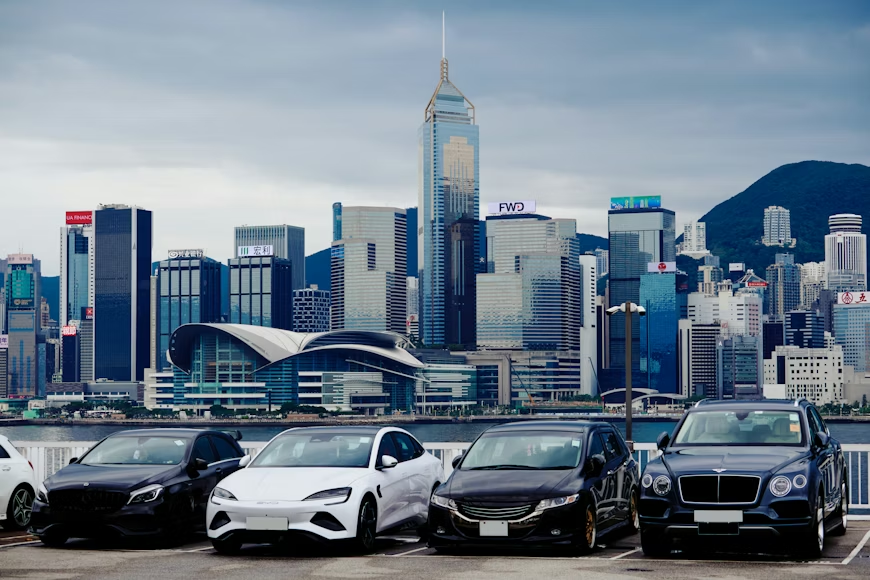
The future of the automotive trade is a fascinating mix of technology and human ingenuity. Every brand is racing to define what the next century of mobility will look like. Electric power is clearly the winner for the next generation of passenger vehicles.
However, the way we use and interact with these cars will change even more. Autonomous systems will eventually make our roads much safer and more efficient. Sustainability is no longer an option but a requirement for any brand to survive. Global trade will continue to be shaped by the availability of smart chips.
Consumers will enjoy more choices and more freedom than they ever had before. The car is becoming a living space that happens to move between locations. We must remain adaptable as these new technologies continue to evolve rapidly. The journey toward a cleaner and smarter world is already well underway. The automotive industry is not just changing; it is being reborn for the digital age.