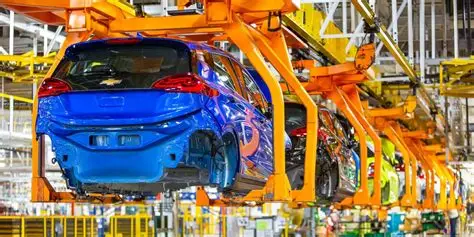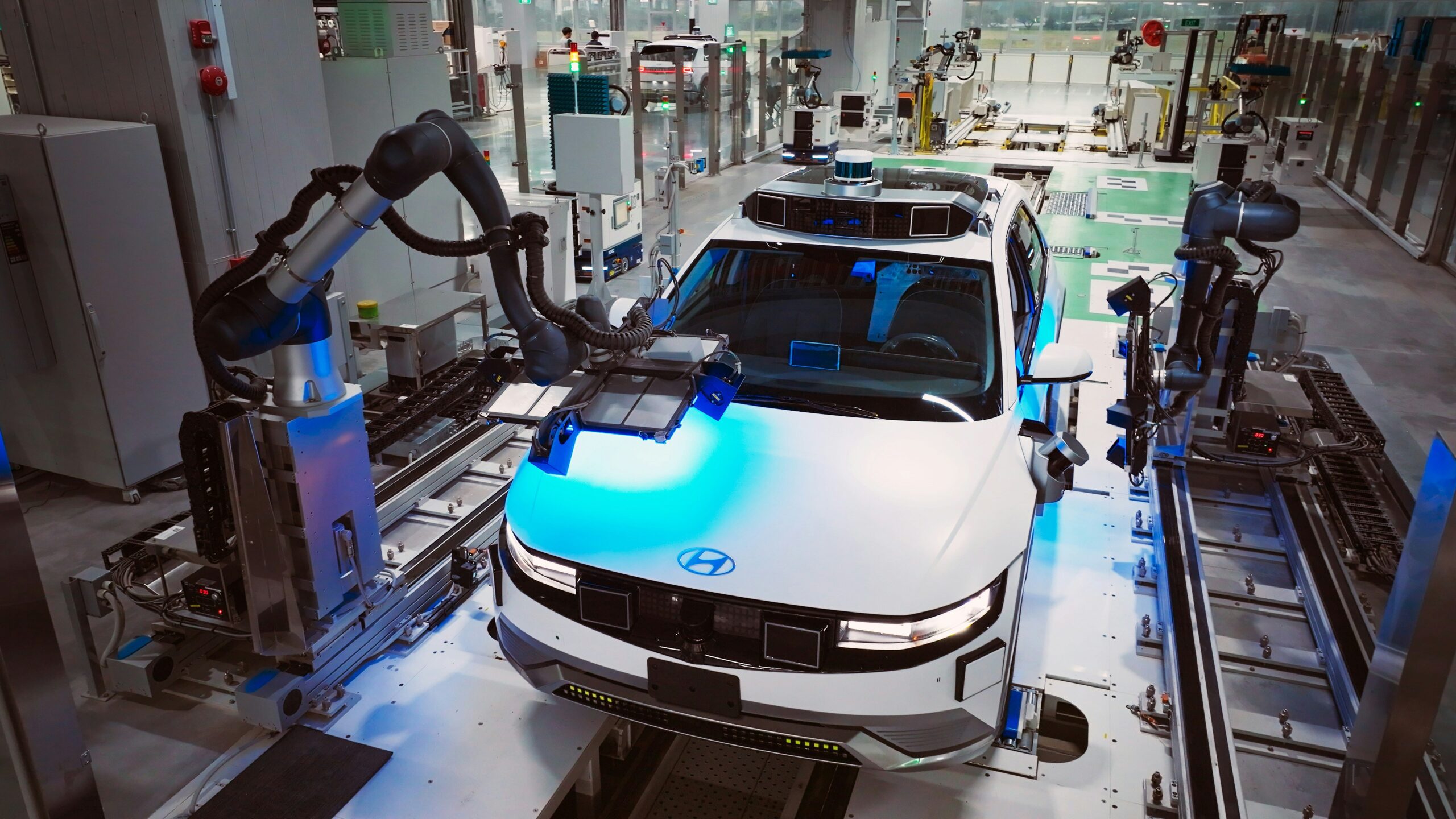
The automotive industry is currently navigating one of the most volatile and transformative periods in its entire history. For decades, the global supply chain for vehicles relied on a “just-in-time” manufacturing model that prioritized lean inventories and cost reduction above all else. However, recent global disruptions have exposed the deep-seated vulnerabilities of this rigid system, forcing a complete reimagining of how cars are built. Manufacturers are now shifting their focus from pure efficiency to a “just-in-case” model that emphasizes resilience, localized production, and digital transparency.
This massive transition is not just about moving parts from one country to another; it involves a fundamental change in the technology used to track and manage these assets. As we move toward an era dominated by electric vehicles and autonomous software, the traditional supply chain must evolve into a dynamic digital network. This article will explore the intricate layers of this transformation and how it is reshaping the future of mobility on a global scale. Understanding these shifts is essential for anyone looking to comprehend the economic and technological forces driving the next generation of transportation.
The Shift Toward Regionalization and Nearshoring
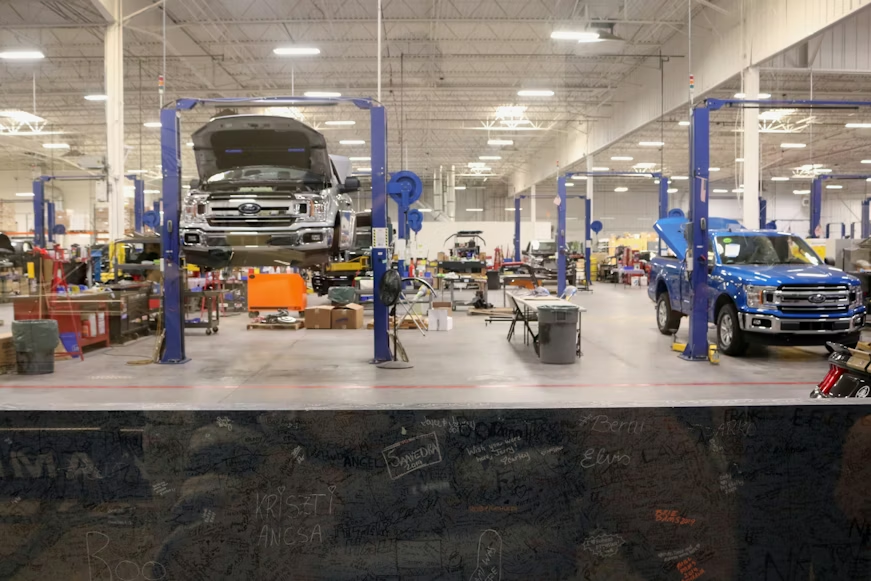
The era of hyper-globalization, where a single car part might cross several borders before final assembly, is slowly coming to an end. Automobile manufacturers are increasingly looking to bring production closer to the end consumer to reduce shipping costs and lead times. This trend, known as nearshoring or regionalization, helps insulate companies from geopolitical tensions and ocean freight delays. By building regional hubs, manufacturers can react more quickly to local market demands and specific regulatory changes. It also reduces the carbon footprint associated with long-distance logistics, aligning with modern sustainability goals.
A. Reducing Dependency on Single-Source Suppliers
In the past, many automakers relied on a single factory in one country for critical components like wire harnesses or sensors. When that specific region faced a shutdown, entire global production lines came to a grinding halt. Now, companies are diversifying their supplier base across multiple geographic locations to ensure a constant flow of materials.
B. The Rise of Local Battery Gigafactories
Electric vehicles require massive batteries that are heavy and expensive to transport over long distances. To solve this, car brands are partnering with energy companies to build “gigafactories” within the same region where the vehicles are sold. This localized approach secures the most expensive part of the EV while creating thousands of local jobs.
C. Government Incentives for Domestic Production
Many nations are now offering significant tax breaks and subsidies to automakers that manufacture vehicles and source raw materials domestically. These policies are designed to strengthen national security and ensure that the transition to green energy benefits the local economy. This is a powerful driver for shifting supply chains back to North America, Europe, and Southeast Asia.
Digital Twin Technology and Real-Time Tracking
Transparency was once the biggest weakness of the automotive supply chain, as manufacturers often had little visibility beyond their immediate suppliers. Today, the integration of Digital Twin technology and Internet of Things (IoT) sensors is changing the game entirely. A Digital Twin is a virtual replica of the physical supply chain that allows companies to run simulations and predict potential bottlenecks. With real-time data, a manufacturer can see exactly where a shipment of microchips is located at any given second. This level of insight allows for proactive problem-solving rather than reactive firefighting.
A. IoT Sensors for Component Health
Sensors are now placed on sensitive components like high-voltage batteries and delicate electronic control units during transit. These sensors monitor temperature, humidity, and vibration levels to ensure the parts arrive in perfect condition. If a threshold is crossed, the system automatically alerts the logistics team to inspect the cargo.
B. Blockchain for Ethical Sourcing
Consumers are demanding to know the origin of the raw materials used in their vehicles, especially minerals like cobalt and lithium. Blockchain technology provides an unchangeable record of a material’s journey from the mine to the factory floor. This ensures that the automotive industry maintains high ethical standards and avoids “conflict minerals.”
C. Predictive Analytics for Inventory Management
By using artificial intelligence to analyze historical data and current market trends, automakers can predict when a shortage might occur. This allows them to adjust their ordering patterns months in advance, preventing the empty dealer lots that plagued the industry in recent times. It turns the supply chain from a series of silos into a cohesive and intelligent system.
The Microchip Crisis and the New Semiconductor Strategy
Modern cars are essentially high-powered computers on wheels, requiring thousands of semiconductors to manage everything from engine timing to infotainment. The recent global chip shortage proved that the automotive industry was no longer at the top of the priority list for semiconductor foundries. In response, car companies are changing how they procure these vital components, moving away from indirect sourcing through third parties. They are now forming direct relationships with chip manufacturers and even designing their own custom silicon. This shift gives automakers more control over their technological destiny and reduces their vulnerability to consumer electronics market swings.
A. Direct Multi-Year Procurement Contracts
Automakers are now signing long-term agreements directly with semiconductor giants to guarantee a specific volume of chips. These contracts often span five to ten years, providing stability for both the car company and the chip maker. This is a massive departure from the short-term, low-volume orders of the past.
B. In-House Chip Design and Engineering
Leading car brands are hiring their own silicon engineers to design chips specifically optimized for their vehicle’s software architecture. This reduces the total number of chips needed per vehicle by integrating multiple functions into a single “System on a Chip” (SoC). It also allows for much faster software updates and better performance for autonomous driving features.
C. Investment in Legacy Chip Production
While the world focuses on the latest 3-nanometer chips, many car functions still rely on older, “legacy” semiconductor technology. Automakers are now investing in these older foundries to ensure they continue to produce the reliable, automotive-grade chips needed for basic functions. This ensures that a lack of a simple window-motor chip doesn’t stop the production of a luxury sedan.
Logistics 4.0 and Autonomous Delivery Systems
The final frontier of the automotive supply chain is the physical movement of goods within the factory and across the country. Logistics 4.0 refers to the automation and digitalization of these physical processes through robotics and autonomous systems. Inside modern plants, Automated Guided Vehicles (AGVs) move parts from the warehouse to the assembly line without human intervention. Outside the factory, the industry is testing autonomous trucks and drones to handle the “middle mile” of delivery. These innovations reduce labor costs and eliminate human error in the most dangerous parts of the logistics process.
A. Automated Warehousing and Robotics
Modern automotive warehouses use robotic arms and high-speed sorting systems to manage millions of individual part numbers. These robots can work 24/7 without fatigue, significantly increasing the throughput of a distribution center. This is vital for managing the complex inventory required for both internal combustion and electric vehicles.
B. Autonomous Freight Platooning
This technology allows a lead truck driven by a human to be followed by a “platoon” of autonomous trucks linked via wireless communication. This increases fuel efficiency by reducing wind resistance and allows for more freight to be moved with fewer drivers. It is a stepping stone toward fully autonomous long-haul logistics.
C. Smart Port Integration
Automakers are working with major shipping ports to create digital interfaces that allow for seamless unloading and customs clearance. When a ship enters a smart port, its cargo is automatically logged, and a fleet of automated cranes prepares it for rail or truck transport. This synchronization minimizes the time parts spend sitting idle on a dock.
Circular Economy and Material Recycling
As the automotive industry moves toward sustainability, the supply chain is beginning to look more like a loop than a straight line. The “Circular Economy” model focuses on recycling and reusing materials at the end of a vehicle’s life to feed back into the production of new cars. This is particularly important for the rare and expensive materials found in electric vehicle batteries and motors. By creating a “closed-loop” system, manufacturers can reduce their dependence on volatile raw material markets. This shift also helps companies meet increasingly strict environmental regulations regarding vehicle disposal.
A. Second-Life Battery Applications
When an EV battery is no longer fit for automotive use, it still retains about 70-80% of its capacity. These batteries are being “re-purposed” for stationary energy storage in homes and power plants. This extends the economic life of the battery and creates a new revenue stream for the automotive supply chain.
B. Closed-Loop Aluminum and Steel Recycling
Automakers are partnering with metal recyclers to ensure that scrap metal from the stamping process is immediately sent back to the smelter. This recycled metal is then used to create new body panels for the next generation of vehicles. This reduces the energy-intensive process of mining and refining virgin ore.
C. Design for Disassembly
New vehicles are being engineered from the ground up to be easily taken apart at the end of their lifecycle. This involves using fewer types of plastics and ensuring that components can be separated quickly for recycling. It turns the “end of life” into the “beginning of life” for a new set of automotive components.
Software-Defined Vehicles and the Virtual Supply Chain
The most profound change in the automotive supply chain is the shift from hardware to software. In a “Software-Defined Vehicle” (SDV), the hardware remains consistent, but the features and performance are determined by code. This creates a “virtual supply chain” where updates and new features are delivered over-the-air (OTA) rather than through a physical part. This model allows automakers to fix bugs, improve range, and add entertainment features without the owner ever visiting a service center. It represents a massive shift in how value is delivered to the customer over the life of the car.
A. Over-The-Air (OTA) Update Infrastructure
Manufacturers are investing heavily in cloud computing and high-speed data networks to manage millions of vehicle updates simultaneously. This requires a new type of supply chain partner: the cloud service provider. The reliability of the data connection is now just as important as the quality of the steel.
B. Continuous Integration and Deployment (CI/CD)
The automotive industry is adopting the rapid development cycles of Silicon Valley software companies. Instead of waiting for a “mid-cycle refresh” of a car model, manufacturers can push out new software improvements every few weeks. This requires a supply chain of software developers and testers who can work in an agile environment.
C. Cybersecurity as a Critical Component
As cars become more connected, the software supply chain must be protected from malicious attacks. Cybersecurity is now treated as a physical component that must be integrated into every layer of the vehicle’s architecture. This has led to the rise of specialized security firms that act as Tier 1 suppliers to the major car brands.
Conclusion
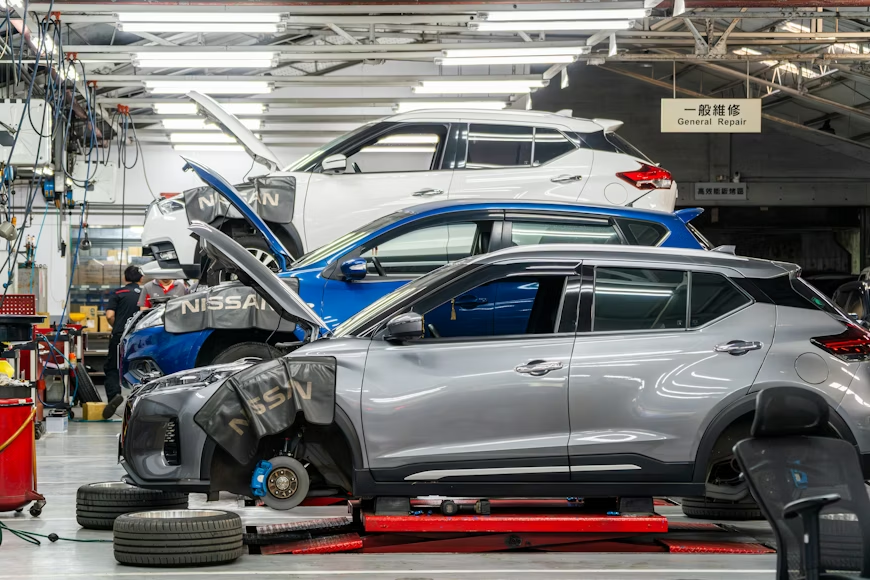
The future of the automotive industry depends entirely on a resilient and smart supply chain. We are seeing a move away from global dependence toward localized and regional manufacturing hubs. Digital tools like IoT and blockchain are providing the transparency needed to prevent future crises. The microchip has officially become the most important part of any modern vehicle’s bill of materials. Automated logistics are making the movement of goods faster and much more reliable for companies.
Sustainability is driving a new circular economy where car parts are recycled and reused forever. Software is now the primary driver of value, changing the way we think about vehicle upgrades. The relationship between automakers and their suppliers is becoming a deep and long-term partnership. Every car on the road is now a part of a massive, interconnected digital and physical network. The journey toward a more efficient and green automotive future is paved with these innovations.