The global adoption of electric vehicles (EVs) is exhibiting remarkable resilience and accelerated growth, consistently surging forward despite persistent and significant macroeconomic and logistical headwinds. This sustained momentum demonstrates a market shift so fundamental that it is largely decoupled from the cyclical economic volatility that typically governs the wider automotive sector. Factors such as high interest rates, inflationary pressures on purchase prices, geopolitical instability, and temporary slowdowns in certain regional markets have failed to halt the underlying trajectory of electrification. This resilience signals that EVs have moved beyond the niche market phase and are now driven by structural, technological, and regulatory forces that override short-term economic turbulence. A detailed analysis is necessary to understand the deep-seated drivers sustaining this surge and the essential systemic changes required to fully capitalize on this unstoppable momentum.
1. Structural Drivers Overcoming Economic Resistance
The key to the EV surge lies in powerful structural advantages and external forces that mitigate the traditional dampening effects of adverse economic conditions.
A. Total Cost of Ownership (TCO) Superiority
The TCO advantage of an EV has become so pronounced that it counteracts the immediate pain of high purchase prices and financing costs, especially for high-mileage users.
- Fuel Cost Differential: Despite fluctuating electricity prices, the cost of energy per mile for an EV remains dramatically lower than that of gasoline or diesel, offering significant and continuous savings that offset high monthly loan payments. This factor is crucial for commercial fleets and consumers with long daily commutes.
- Maintenance Simplicity: The fundamental mechanical simplicity of the EV powertrain (fewer moving parts, no oil changes, simpler braking systems) translates into vastly reduced routine maintenance costs and lower risk of expensive mechanical failures, providing financial predictability that appeals during economic uncertainty.
- Governmental Subsidies and Tax Credits: Sustained tax credits, rebates, and non-financial perks (like reduced tolls or preferential parking) act as a continuous artificial lever, effectively lowering the barrier to entry and keeping the final purchase price competitive despite broader price inflation.
- Energy Security and Price Stability: For many consumers, relying on domestically generated electricity (often with renewable sources) offers a psychological and financial hedge against global oil price volatility caused by geopolitical crises, enhancing the perceived value of the EV.
B. Technological Velocity and Obsolescence
The rapid pace of EV technological improvement accelerates the obsolescence of internal combustion engine (ICE) vehicles, pushing consumers toward the future technology.
- Battery Breakthroughs and Range Normalization: Continuous advancements in battery energy density and efficiency have virtually eliminated “range anxiety” for the average commuter, removing a key psychological barrier, while simultaneously driving down the cost of the most expensive component.
- Superior User Experience: The instant torque, quiet operation, and seamless integration with advanced software features make the EV a fundamentally superior product. Consumers are increasingly willing to pay a premium for this technological step change, similar to the shift from feature phones to smartphones.
- Software-Defined Vehicle (SDV) Value: The EV’s native SDV architecture means the vehicle can improve over time via Over-the-Air (OTA) updates, offering superior longevity of features and functionality compared to the static hardware of an ICE vehicle, providing higher residual value retention potential.
- Platform Commitment: Manufacturers are committing massive capital to only new EV platforms, signaling to the market that R&D and future feature development will be exclusive to electric, making the purchase of a new ICE model appear financially riskier in the long term.
C. Regulatory and Legislative Push
Global and regional policies continue to provide an unyielding, top-down pressure that mandates the market shift regardless of short-term economic headwinds.
- ICE Phase-Out Deadlines: The implementation of hard deadlines for the cessation of new ICE sales in major markets (e.g., Europe, parts of North America) creates an inescapable legal and market mandate that forces both supply (OEM production) and demand (consumer purchasing habits) toward electrification.
- Emissions Penalty Structures: Increasingly stringent emission regulations (e.g., EU’s fleet-average CO2 targets) impose massive financial penalties on manufacturers for failing to meet ZEV quotas, making it more profitable to sell an EV, even at a lower margin, than to pay the fines associated with selling high-emission ICE vehicles.
- Investment Stimulus: Legislative acts like the U.S. Inflation Reduction Act (IRA) and similar European funding mechanisms inject billions into regional EV supply chains, securing jobs and industrial capacity, which provides a stabilizing, counter-cyclical economic force that sustains momentum.
- Public Procurement Mandates: Governments act as stable anchor customers by mandating the electrification of their large public fleets (transit, postal, utility), providing a continuous demand floor for commercial EV platforms.
2. Resilience of Regional Markets Amidst Headwinds
The global surge is an aggregate of highly resilient regional markets that navigate economic difficulties through different mechanisms.
A. China: The Scale and Cost Dominance
Despite domestic economic anxieties, China’s EV market continues to expand due to its unparalleled cost structure and competitive intensity.
- Affordability through LFP Mastery: China’s dominance in the Lithium Iron Phosphate (LFP) battery supply chain allows domestic brands to offer highly competitive EVs at price points that directly compete with, and often undercut, budget ICE vehicles, mitigating the effect of consumer income stagnation.
- Aggressive Price Competition: Intense domestic price wars between new EV entrants and established players result in favorable pricing for consumers, stimulating demand even as overall spending sentiment remains cautious.
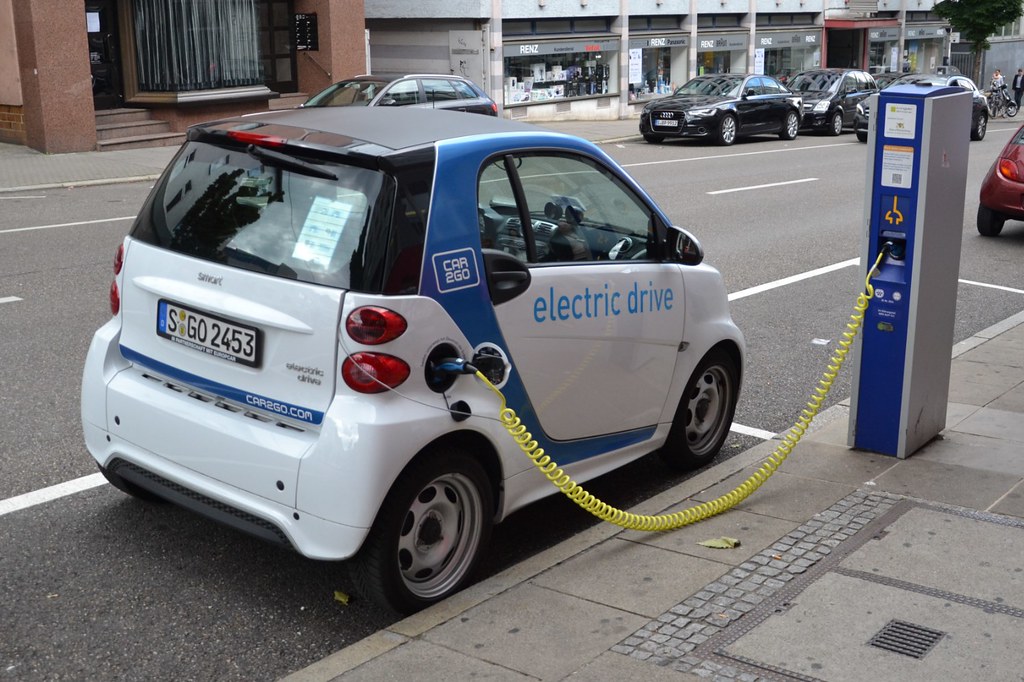
- Advanced Urban Infrastructure: China’s massive, coordinated build-out of urban charging infrastructure, combined with favorable city access policies, removes the complexity of ownership, making the EV a more convenient choice for dense metropolitan populations.
- Technological Export: Chinese OEMs are successfully exporting their cost-effective models to Southeast Asia, Europe, and Latin America, driving global unit volume and demonstrating the viability of affordable electrification.
B. Europe: Regulatory and Cultural Momentum
Europe sustains momentum through policy and strong, ingrained consumer appetite for sustainable technology, even with high financing costs.
- High Fuel Taxation: Europe’s high taxation on gasoline and diesel amplifies the TCO advantage of EVs, making the shift economically compelling despite general inflation.
- Urban Restriction Avoidance: The rapid expansion of Urban Low Emission Zones (ULEZ) makes an EV a functional necessity for urban commuters, providing a tangible, non-negotiable benefit that bypasses discretionary spending concerns.
- Hybrid as a Bridge: Strong and sustained demand for high-efficiency plug-in hybrid electric vehicles (PHEVs) acts as a crucial bridge for consumers hesitant about full battery electric vehicle (BEV) ownership, keeping the transition momentum flowing.
- Premium Segment Resilience: The high-end and luxury segments of the EV market, which are less sensitive to interest rate hikes, continue to perform strongly, sustaining revenue and investment for European manufacturers.
C. North America: Industrial Mobilization and Segment Disruption
North America overcomes its slow start through massive industrial policy and the successful electrification of its high-volume core segments.
- IRA Investment Lock-in: The IRA provides long-term certainty for domestic manufacturing, ensuring a steady supply of vehicles and battery components, counteracting short-term market uncertainty.
- Electrification of Trucks/SUVs: The successful introduction and sustained demand for electric pickup trucks and large SUVs, which command higher margins and dominate North American sales, ensures that the most profitable segments are driving the EV surge.
- Charging Standardization: The market-wide adoption of the North American Charging Standard (NACS) significantly reduces consumer anxiety and streamlines the charging experience, unlocking latent demand previously held back by network fragmentation.
- Fleet Adoption Wave: Large corporate fleets (e.g., logistics, last-mile delivery, rental agencies) are accelerating their EV transition due to TCO benefits and corporate sustainability goals, providing a large, stable source of bulk demand that is immune to consumer confidence fluctuations.
3. Challenges Amplified by the Surge
The strength of the EV adoption surge places unexpected and immense strain on the infrastructure and supply chains, creating new headwinds that require immediate, large-scale solutions.
A. Charging Infrastructure Deficiencies and Grid Strain
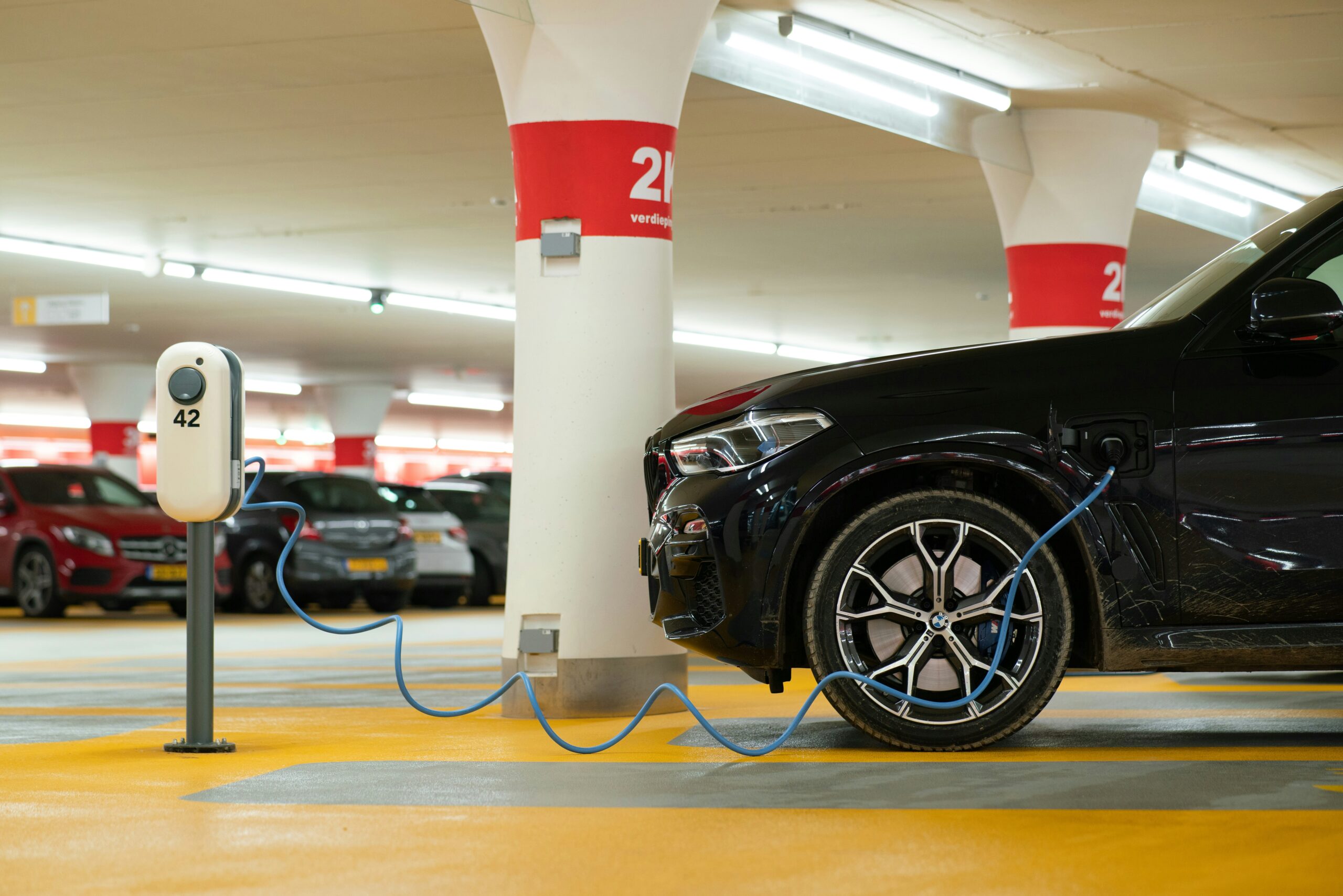
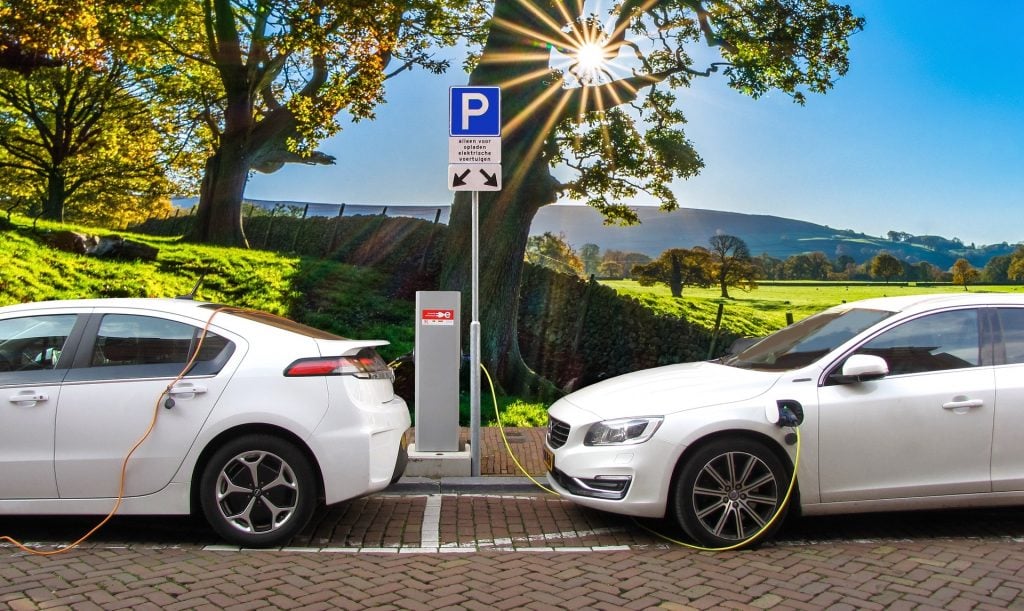
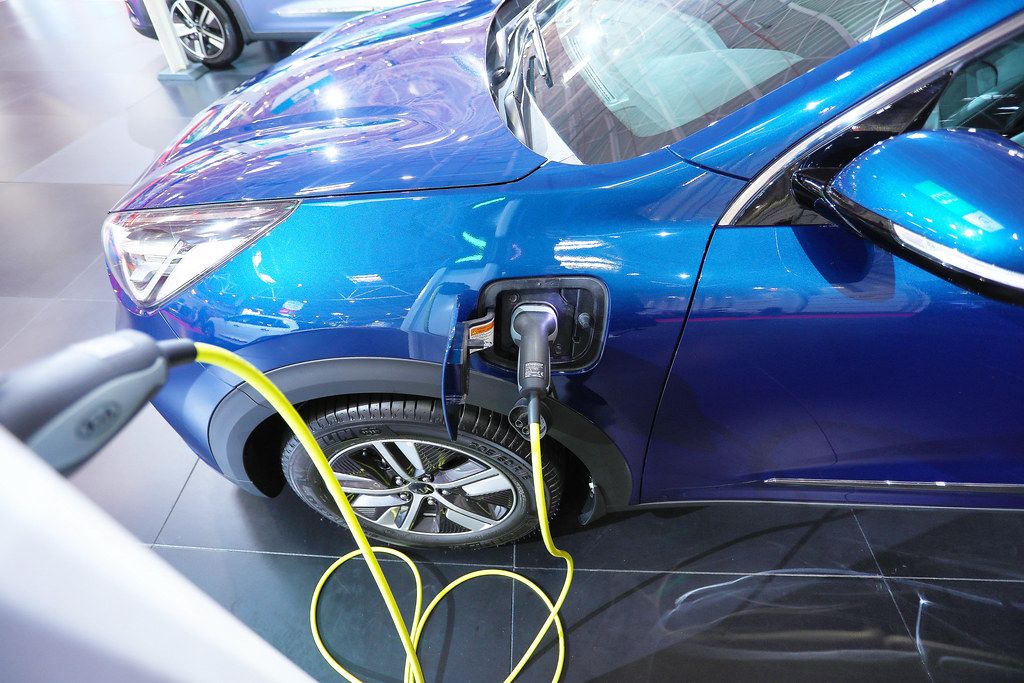
The pace of vehicle adoption is now outpacing the readiness of the energy ecosystem, creating a critical bottleneck.
- Reliability and Uptime Crisis: The rapid deployment of public charging stations has often prioritized speed over quality, leading to poor reliability, slow maintenance, and low uptime rates that frustrate drivers and threaten consumer confidence.
- Local Distribution Grid Overload: Concentrated charging in urban and suburban hubs risks overwhelming local distribution transformers and utility infrastructure, necessitating time-consuming and expensive localized upgrades that are not keeping pace with vehicle sales.
- The Equity Gap: The majority of current EV owners have access to home charging. The surging adoption requires urgent solutions for multi-unit dwelling (MUD) residents and low-income areas to ensure equitable access to reliable, affordable charging.
- V2G Commercialization Lag: The necessary policy and technological framework to integrate Vehicle-to-Grid (V2G) technology, which would turn the EV fleet into a grid asset, is lagging, preventing a crucial solution for managing the massive new electrical load.
B. Supply Chain Stress Beyond Minerals
While mineral sourcing remains difficult, new bottlenecks are emerging in processing and industrial capacity.
- Refining and Processing Gap: The global capacity to refine and process raw battery minerals into high-purity, battery-grade chemicals is geographically concentrated and unable to scale as quickly as mining or cell assembly, creating a choke point.
- Power Electronics Scarcity: The surge requires an enormous supply of specialized power semiconductors (IGBTs, SiC) and high-voltage power electronics (inverters, converters). Supply remains tight, particularly for advanced Silicon Carbide (SiC) components, which define the efficiency of high-performance EVs.
- Labor and Talent Shortage: The rapid industrial shift necessitates a skilled workforce for gigafactories, battery repair, and high-voltage vehicle servicing. The educational pipeline and training programs are not expanding fast enough to meet this surging demand, creating a labor headwind.
- Recycling Infrastructure Deficit: The lack of industrial-scale battery recycling infrastructure poses a future materials security risk. The current surge necessitates accelerated investment in closed-loop recycling to ensure a sustainable, domestic supply of recovered minerals.
C. The Affordability Ceiling and Segment Saturation
While overall sales surge, the market faces a temporary affordability ceiling as high financing costs bite into the mid-market segment.
- Interest Rate Sensitivity: The higher average transaction price (ATP) of EVs, when combined with high interest rates, results in monthly payments that are simply out of reach for many mid-market consumers, forcing manufacturers to increase incentives or risk accumulating inventory.
- The End of Subsidies: As market penetration increases, governments will inevitably phase out direct purchase subsidies. This necessitates that manufacturers hit true price parity with ICE vehicles quickly to avoid a market slump post-subsidy removal.
- Insurance Cost Headwind: High insurance premiums, driven by the complexity and high replacement cost of battery packs and sensor arrays, offset the TCO benefits, acting as an unexpected headwind, particularly for the budget-conscious segment.
4. Strategic Reshaping and Long-Term Implications
The sustained surge forces a permanent, accelerated reshaping of the automotive industry’s strategic priorities, financial models, and structure.
A. Accelerated Platform Consolidation
The high-volume surge demands massive economies of scale, accelerating the shift to global, modular EV platforms.
- Global Platform Convergence: Manufacturers are consolidating dozens of legacy ICE platforms onto a handful of highly flexible, modular EV “skateboard” architectures. This is necessary to achieve the scale and cost efficiency required to compete with high-volume leaders.
- Simplified Manufacturing Techniques: The surge validates the necessity of simplified manufacturing techniques (like Giga-Casting) which reduce part count and assembly complexity, increasing production throughput faster than traditional methods allow.
- Software Standard Dominance: The push for standardized software platforms across the entire product line accelerates, as this is the only way to manage the complexity of millions of connected vehicles and realize recurring revenue through FaaS (Feature as a Service).
B. The Financial Decoupling of the EV Business
The financial performance of the EV segment is increasingly decoupling from the legacy ICE business.
- Investment Prioritization: OEMs are channeling virtually all growth capital into the EV and battery divisions, allowing the ICE segment to operate primarily as a cash-generating engine to fund the transition, with minimal new long-term R&D.
- Valuation Shift: Financial markets are increasingly valuing auto companies based on their EV and software potential rather than their current ICE earnings, forcing a radical change in corporate messaging and capital allocation strategies.
- Risk Management: The surge necessitates sophisticated financial hedging strategies against raw material volatility (lithium, nickel) and foreign currency fluctuations, given the globalized nature of the EV supply chain.
C. The Inevitable Demise of the ICE Economy
The sustained EV adoption surge seals the long-term fate of the ICE vehicle and its ecosystem.
- Acceleration of ICE Asset Write-downs: The unexpected speed of the EV adoption surge forces companies to write down the value of ICE-specific assets (factories, tooling) sooner than initially planned, creating significant, unbudgeted charges.
- Massive Service Network Pivot: The entire aftermarket, including independent garages, parts suppliers, and dealership service centers, must rapidly pivot away from mechanical servicing toward electric and software diagnosis, a transition that requires massive investment and workforce retraining.
- Oil Demand Acceleration: The sustained, high-volume growth in EV adoption brings forward the timeline for “peak oil demand” and forces long-term energy producers and refiners to reconsider their capital allocation strategies away from transportation fuels.
Final Thought
The global EV adoption surge, maintained despite significant market headwinds, is the clearest indicator yet that the transportation revolution is past the point of no return. This resilience is fundamentally driven by superior TCO, relentless technological progress, and a non-negotiable regulatory push, all of which override short-term economic resistance. However, this very momentum has created a new, urgent set of challenges: the infrastructure (grid and charging) and human capital pipelines are now the primary bottlenecks. To sustain this extraordinary growth, governments and industry must urgently align their investment strategies to build a robust, equitable, and scalable charging ecosystem, ensuring that the undeniable surge in EV demand is not eventually choked by infrastructural limitations.