The automotive industry is undergoing an unprecedented and irreversible transformation, driven by the global trend toward electrification. This shift is far more than a simple change in propulsion technology; it represents a fundamental reshaping of the entire auto landscape, impacting everything from manufacturing processes and supply chain logistics to consumer behavior, financial models, and geopolitical resource dependencies. The momentum built by electric vehicles (EVs) has triggered a tectonic shift, forcing legacy manufacturers to abandon century-old business models and compelling governments to invest massively in new energy infrastructure. Understanding this profound change requires a comprehensive analysis of the forces driving the trend, the structural changes it necessitates, and the long-term consequences for global mobility.
1. The Core Technological Pillars of Reshaping
The foundation of the electrification trend lies in relentless technological advancement, primarily focused on the battery and the vehicle’s electronic architecture. These pillars make the EV inherently superior to its internal combustion engine (ICE) counterpart in several critical aspects.
A. Battery Technology: Cost, Density, and Safety
Continuous innovation in energy storage is the single most critical enabler of the electrification trend.
- The Declining Cost Curve: The cost per kilowatt-hour (kWh) of battery packs continues to decline due to manufacturing scale (gigafactories), process optimization, and chemistry refinement. This reduction is consistently exceeding expectations, bringing the EV closer to, or even below, price parity with ICE vehicles sooner than projected.
- Chemistry Diversification: The strategic adoption of diverse chemistries, notably Lithium Iron Phosphate (LFP) for mass-market vehicles and high-nickel cathodes for premium, long-range models, allows manufacturers to optimize vehicles for different customer needs while managing supply chain risk and cost. LFP’s lower cost and longer cycle life are critical for budget-segment disruption.
- Structural and Safety Integration: Innovative structural battery designs (Cell-to-Pack, Cell-to-Chassis) enhance vehicle safety by integrating the battery into the crash structure, while also improving energy density and reducing manufacturing complexity.
- Thermal Management Mastery: Sophisticated thermal management systems are crucial for maximizing battery lifespan, maintaining optimal range in extreme temperatures, and enabling sustained ultra-fast charging rates, addressing key consumer anxieties.
B. The Software-Defined Vehicle (SDV) Revolution
Electrification provides the optimal hardware platform for the software-defined vehicle, fundamentally altering how cars are built, maintained, and monetized.
- Centralized Computing Architecture: EVs utilize highly centralized, zonal electronic architectures that replace countless dedicated Electronic Control Units (ECUs) with fewer, more powerful central computers. This reduces complexity, lowers hardware costs, and simplifies wiring harnesses.
- Over-the-Air (OTA) Functionality: OTA updates enable continuous feature improvement, bug fixes, and even performance enhancements throughout the vehicle’s life, creating a product that improves over time—a paradigm shift from the static nature of ICE vehicles.
- New Revenue Streams: The SDV model allows for high-margin, recurring revenue through feature subscriptions (Software-as-a-Service or SaaS), shifting value creation from the initial hardware sale to ongoing digital services and data monetization.
- Seamless ADAS and Autonomy Integration: The high-voltage power and extensive sensor arrays required for complex EV systems inherently support advanced driver-assistance systems (ADAS) and are the necessary foundation for future Level 4 and Level 5 autonomous capabilities.
C. Simplified and Efficient Powertrain
The inherent simplicity of the electric powertrain provides structural advantages in manufacturing and maintenance.
- Fewer Moving Parts: The EV powertrain has dramatically fewer moving parts than a complex ICE, eliminating maintenance items like oil changes, spark plugs, and multi-speed transmissions, translating directly into lower Total Cost of Ownership (TCO).
- Giga-Casting Manufacturing: Techniques like giga-casting and modular assembly drastically reduce the complexity and cost of the body-in-white (BIW), simplifying the assembly line and requiring less factory space and labor hours per vehicle.
- Superior Driving Dynamics: The instantaneous torque delivery, precise electronic control, and low center of gravity (due to battery placement) provide superior performance, handling, and quiet operation, setting a new standard for the driving experience across all vehicle segments.
2. Strategic and Industrial Reshaping of the Value Chain
The shift to electrification has triggered a massive capital reallocation and a complete restructuring of the automotive value chain, prioritizing resource control and regionalization.
A. Restructuring the Supply Chain and Vertical Integration
Manufacturers are moving away from traditional, fragmented supplier relationships to aggressively control the high-value components of the EV.
- The Battery Imperative: Control over the battery cell and pack supply is paramount. OEMs are investing billions in joint ventures and wholly-owned “gigafactories” to secure regional, high-volume supply, mitigating geopolitical risks and price volatility.
- Mineral Sourcing and Geopolitics: The shift to EVs has turned battery minerals (lithium, nickel, cobalt, graphite) into strategic geopolitical assets. Manufacturers and governments are engaging in complex long-term contracts and diplomacy to secure diversified, ethical sources of these materials.
- The Decline of the ICE Supplier Base: Suppliers specialized in traditional ICE components (e.g., fuel pumps, exhaust systems, turbochargers) face existential risk, forcing them to pivot rapidly to EV components (e.g., thermal management systems, power electronics) or face obsolescence.
- Regionalization Mandates: Trade policies, such as the U.S. IRA and European initiatives, are forcing the regionalization of EV supply chains, pushing manufacturing of cells and components closer to final assembly plants to qualify for subsidies and increase supply chain resilience.
B. New Financial Models and Competitive Landscape
The profitability structure of the automotive industry is being fundamentally altered, favoring new entrants and high-volume, cost-efficient players.
- The Cost-Parity Race: The key competitive battle is the race to achieve initial purchase price parity with comparable ICE vehicles. Manufacturers achieving this through scaled production and technological efficiency will gain decisive market share in the high-volume budget segments.
- Capital Expenditure Stress: Legacy OEMs face unprecedented capital expenditure demands as they must fund the expensive, simultaneous maintenance of ICE profitability and the build-out of new EV platforms, gigafactories, and software infrastructure.
- Rise of the Tech-Focused Entrants: New automotive players (particularly those originating from Asia) unburdened by legacy ICE costs and dealer networks are leveraging their technological agility to rapidly gain market share by offering advanced, feature-rich EVs at competitive price points.
- Dealership Model Transformation: The traditional dealer model is being reshaped. With EVs requiring less maintenance and value shifting to software, the high-margin service revenue stream is threatened. Manufacturers are experimenting with direct-to-consumer (DTC) models or agency models to regain control over pricing and the customer experience.
C. Workforce and Talent Restructuring
The electrification trend requires a complete overhaul of the automotive workforce skill set.
- Software and Data Science Priority: The demand for software engineers, data scientists, and power electronics experts now significantly outpaces the need for traditional mechanical and combustion engineers. This skills gap requires massive investment in retraining and recruitment.
- Manufacturing Process Change: Factory workers require specialized training to handle high-voltage battery packs, giga-casting machinery, and complex automated assembly processes specific to EV architectures, shifting labor focus from mechanical assembly to electrical and digital integration.
- Service Technician Crisis: The lack of certified high-voltage technicians is a global concern, posing a risk to the long-term TCO of EVs until the service network capacity catches up with the fleet size.
3. Societal and Infrastructural Reshaping
The rapid momentum of the EV trend places immense strain on non-automotive sectors, particularly energy, urban planning, and resource management.
A. The Reshaping of the Global Energy Grid
Electrification transforms the relationship between the vehicle and the energy provider, requiring massive utility investment.
- Generation and Transmission Upgrades: The sustained, high-volume growth of the EV fleet necessitates a massive acceleration in clean electricity generation (solar, wind) and high-voltage transmission line expansion to move power from renewable sources to urban centers.
- Local Distribution Stress: The greatest challenge lies in the “last mile” of the grid—local transformers and distribution lines. Utilities must implement smart grid technologies and dynamic load management systems to prevent localized overloads from peak-hour charging.
- Vehicle-to-Grid (V2G) Integration: EVs are becoming essential components of grid stability. V2G technology allows vehicles to feed power back into the grid during peak demand, turning the EV fleet into a vast, decentralized power plant and fundamentally changing the utility business model.
B. Urban Mobility and Charging Equity
The EV trend is reshaping urban planning and dictating who benefits from sustainable mobility.
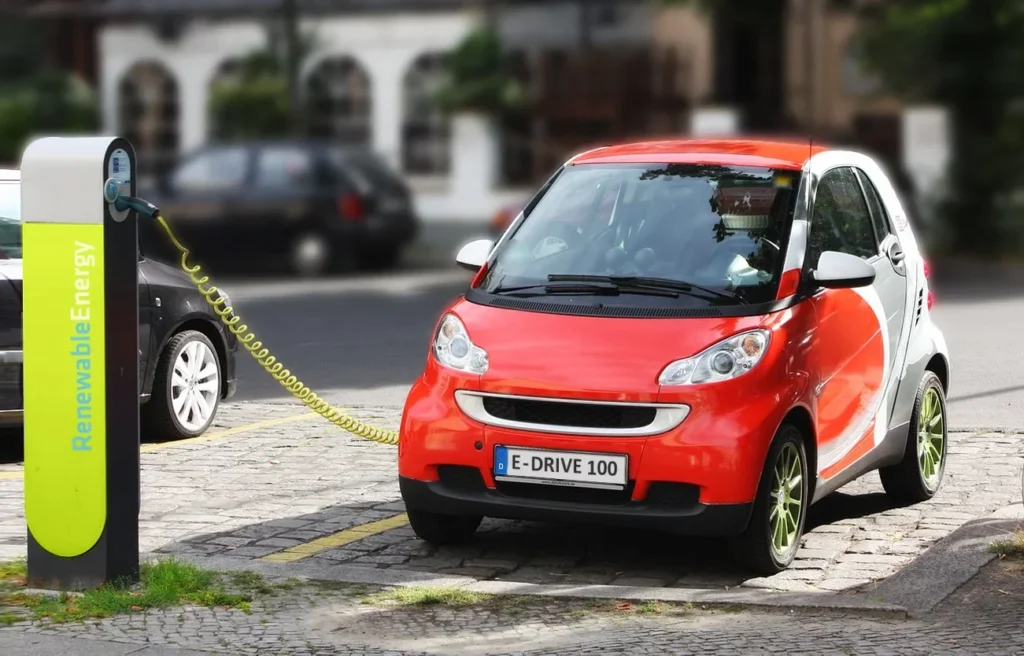
- The Charging Equity Gap: The greatest barrier to mass adoption is charging access for the large segment of the population living in multi-unit dwellings (MUDs) without dedicated parking. Solving this requires public investment in curbside, communal, and fast-charging hubs.
- Clean Air Zones and Urban Access: Cities are leveraging the electrification trend by implementing stringent clean air zones and congestion charges, effectively making EVs the default vehicle choice for urban residents and commercial fleets.
- Micromobility Integration: Affordable EVs and light electric vehicles (LEVs) are becoming integrated with public transport and micromobility options (e-scooters, e-bikes) as part of a seamless Mobility-as-a-Service (MaaS) ecosystem, reducing reliance on private ownership.
C. The Circular Economy Imperative
The high volume of EV production necessitates a shift toward a circular economy model for battery materials to ensure long-term sustainability.
- Battery Second-Life Applications: Establishing a commercially viable market for repurposing retired vehicle batteries for stationary energy storage (e.g., utility storage, solar backup) is crucial to maximize asset value before the final recycling stage.
- Recycling Infrastructure Scale: The global build-out of safe, efficient, and high-capacity battery recycling facilities is essential to recover critical materials like lithium, nickel, and cobalt, mitigating resource scarcity and reducing geopolitical reliance on foreign mining.
- Mandated Recycled Content: Future regulations are expected to mandate a minimum percentage of recycled material in new batteries, creating a powerful market pull for investment in recycling infrastructure and closing the material loop.
4. Geopolitical and Global Economic Reshaping
The electrification trend has elevated automotive manufacturing from an industrial sector to a core component of national strategic and economic power.
A. The Global Competition for Technology Leadership
The race to dominate EV technology is now a primary front in global technological competition, with national security implications.
- China’s Structural Lead: China’s early, massive investment in battery and component manufacturing has given it a structural cost and volume advantage that global rivals are scrambling to counter, driving policy responses in the West.
- Western Policy Response: The implementation of the U.S. IRA and similar European acts represents a strategic, protectionist effort to rapidly onshore EV supply chains, secure energy independence, and mitigate reliance on foreign technological inputs.
- Raw Material Diplomacy: The competition for access to critical minerals fuels international diplomacy and investment in resource-rich nations, fundamentally changing global trade dynamics and resource allocation.
B. The Financial Future of Oil and Gas
The electrification trend fundamentally reshapes the long-term demand forecast for oil and consequently the financial stability of oil-producing nations.
- Peak Oil Demand Acceleration: The rapid adoption of EVs, particularly in passenger and light commercial vehicle segments, accelerates the timeline for “peak oil demand,” creating uncertainty for future fossil fuel investment.
- Refinery and Distribution Restructuring: Oil refineries and distribution networks will face long-term volume decline, forcing costly restructuring and diversification toward petrochemical products or hydrogen production.
- Powering the EV Fleet: The economic center of gravity shifts from oil producers to countries capable of generating abundant, affordable, and clean electricity, increasing the strategic importance of renewable energy resources.
C. New Export Dynamics and Trade Barriers
Trade relationships are being reshaped by the flow of EV components, batteries, and finished vehicles.
- Targeted Tariffs: Governments are utilizing targeted tariffs and trade restrictions to limit imports that do not comply with local content and manufacturing requirements, leading to complex trade disputes and incentivizing regional production.
- Technology Transfer Pressure: Foreign companies seeking to enter or expand in new markets often face pressure to establish local manufacturing and share technology, especially in the battery and power electronics sectors.
- Standardization as a Tool: While standards like NACS improve interoperability, the underlying technological standards for battery chemistry and power interfaces can become subtle tools for regional competitive advantage.
Final Thought
The electrification trend is not a mere industry update; it is the single most powerful force currently reshaping the global auto landscape. The momentum is driven by irrefutable technological superiority, cost parity approaching faster than expected, and binding policy mandates. This convergence necessitates a radical, compressed restructuring of every element of the automotive value chain, from mining to manufacturing, and compels utilities to accelerate the modernization of global power grids. Success in this new era requires strategic vision, massive capital deployment, and the courage to abandon legacy industrial structures in favor of the agile, software-defined, and vertically integrated business models that define the new electric standard. The reshaping is comprehensive, irreversible, and fundamentally redefining the future of mobility.