The global electric vehicle (EV) market is currently exhibiting a profound acceleration, characterized by momentum that is not merely meeting, but consistently outstripping even the most optimistic prior projections across the globe. This extraordinary velocity in adoption and technological development signifies a genuine inflection point in the history of transportation, where the transition from internal combustion engines (ICE) is occurring faster and more broadly than industry analysts had predicted. This acceleration is driven by a complex interplay of rapid technological breakthroughs, heightened geopolitical competition, and consumer demand that is proving more resilient to macroeconomic pressures than initially assumed. A detailed examination of this extraordinary momentum reveals the key drivers, the implications for legacy automotive players, and the massive systemic overhauls required to sustain this pace of change.
1. Underlying Forces Driving Unforeseen Velocity
The robust momentum observed in the global EV market is not accidental but the result of reinforcing factors that create a powerful self-sustaining cycle of innovation and adoption.
A. Accelerating Battery Cost Reduction Curves
The pace at which the cost of battery cells and packs is declining has exceeded most industry forecasts, primarily due to scaled manufacturing.
- Gigafactory Production Optimization: The increasing operational efficiency and maturation of massive battery production facilities (gigafactories) lead directly to economies of scale that reduce the cost per kilowatt-hour ($kWh$). Learning curves are being compressed as manufacturers rapidly refine processes and logistics, significantly lowering the marginal cost of production.
- Shift to Low-Cost Chemistries: The wider adoption of lower-cost chemistries, particularly Lithium Iron Phosphate (LFP) for mass-market and short-range vehicles, is strategically lowering the entry price point of EVs, making them accessible to a broader consumer base sooner than expected. This shift is critical as it avoids the reliance on costly materials like cobalt and nickel, which have historically introduced price volatility.
- Optimized Integration: Innovations in cell-to-pack (CTP) and cell-to-chassis (CTC) designs reduce complexity and weight, eliminating unnecessary housing and structural components. This structural efficiency translates directly into lower manufacturing cost and higher volumetric energy density.
- Commoditization of Core Components: The mass production of essential EV components, such as power inverters and electric motors, is reaching volumes where they are becoming more standardized and less expensive, mimicking the rapid cost decline seen in the semiconductor and solar industries.
B. Regulatory Timelines Brought Forward
Governments, responding to climate urgency and the technical feasibility demonstrated by the industry, are tightening emission standards and accelerating ICE phase-out mandates.
- Tightening ZEV Mandates: Jurisdictions in North America, Europe, and Asia are revising Zero Emission Vehicle (ZEV) targets upward, requiring a higher percentage of new vehicles sold to be electric by specific intermediate dates, effectively forcing automakers to ramp up production ahead of schedule and committing capital to electrification.
- Incentive Refocusing: Policy shifts, such as those under the U.S. Inflation Reduction Act (IRA) and similar European initiatives, increasingly tie consumer incentives and tax benefits to domestic or localized manufacturing and sourcing. This acts as a powerful industrial policy tool to accelerate the establishment of regional, secure EV supply chains, reducing geopolitical risk.
- Aggressive Urban Restrictions: The expansion of Ultra-Low Emission Zones (ULEZ) and congestion charges in major global cities makes continued ownership of ICE vehicles economically punitive for urban dwellers, driving rapid, mandatory adoption of EVs for commuter and commercial delivery fleets.
- Public Fleet Commitment: Large-scale government and municipal procurement mandates for the electrification of public service fleets (postal, police, transit) provide a guaranteed, high-volume order book, allowing manufacturers to quickly scale production and realize economies of scale.
C. Software and Digital Integration as a Value Driver
The value proposition of EVs is increasingly moving beyond simple powertrain efficiency to superior digital and software functionality, which drives consumer desire.
- Software-Defined Vehicle (SDV) Superiority: EVs are the native platform for the SDV. The ability to receive frequent over-the-air (OTA) software updates, which can improve range, performance, or correct minor issues, fundamentally changes the ownership experience and makes the EV a perpetually modern, higher-value asset.
- Monetizable Features: The platform allows manufacturers to generate recurring revenue through subscription-based features (e.g., advanced ADAS functionality, premium infotainment), offsetting initial hardware costs and making the EV business model more financially attractive, thus driving further internal investment.
- Seamless Consumer Electronics Integration: EVs are designed to integrate flawlessly with consumer electronics ecosystems, leveraging large, high-resolution screens and powerful processors for navigation and entertainment, appealing strongly to a digitally native generation that now comprises a significant part of the car-buying public.
- Enhanced Personalization: The SDV architecture facilitates deep personalization of the driving experience, from regenerative braking intensity to suspension settings, allowing the vehicle to be dynamically tailored to individual user preferences, a level of customization not feasible with legacy ICE hardware.
D. The Shifting Consumer Paradigm
Consumer attitudes have shifted from cautious skepticism to outright enthusiasm, driven by practical experience and market maturity.
- Total Cost of Ownership (TCO) Realization: Consumers are increasingly educated on the significant lifetime savings realized through lower fuel costs (electricity vs. gasoline) and reduced maintenance (no oil changes, simpler mechanicals), making the EV an economically rational choice despite a potentially higher initial price.
- Improved Charging Experience: The increasing reliability and speed of DC fast-charging networks, coupled with the industry’s move toward common charging standards (like NACS), reduces “range anxiety,” removing a major psychological barrier to adoption.
- Performance and Quiet Luxury: The superior driving dynamics—instantaneous torque, powerful acceleration, and near-silent operation—of EVs are now recognized as a key differentiator, driving adoption even among consumers for whom sustainability is not the primary motivator.
- Peer Influence and Social Proof: As EV penetration passes certain local thresholds, the effect of positive word-of-mouth accelerates exponentially, normalizing the EV as the superior, modern choice and further compounding market momentum.
2. The Overwhelming Impact on Legacy Automotive Manufacturers
The unforeseen pace of the EV transition creates significant operational and financial stress for established Original Equipment Manufacturers (OEMs), forcing accelerated, high-stakes decisions that were initially planned for later in the decade.
A. The Paradox of Platform Investment
OEMs are trapped between sustaining revenue from their highly profitable ICE portfolios and allocating massive capital to their future EV platforms.
- Stranded Assets Risk: Factories, tooling, and intellectual property tied solely to ICE production risk becoming “stranded assets” far sooner than their scheduled depreciation cycles. This necessitates accelerating write-downs and retooling plans, placing unexpected strain on current balance sheets.
- Dual Investment Challenge: Successfully executing the transition requires simultaneous, large-scale investment in two distinct areas: optimizing and defending the profitable, but declining, ICE business; and building the entirely new, high-risk EV supply chains (batteries, motors, software). This strains capital expenditure budgets to their limit.
- The Loss of Technical Familiarity: Decades of expertise in optimizing combustion engines is rapidly becoming obsolete. The required technical shift to master battery chemistry, thermal management, and power electronics represents a massive internal learning curve that requires external recruitment and costly internal retraining programs.
- Dilution of Profit Centers: High-volume ICE platforms, which have historically funded R&D and dividends, are seeing their contribution erode faster than anticipated, forcing OEMs to accelerate efforts to make EV platforms profitable at lower volumes.
B. Supply Chain Disruption and Vertical Integration
The rapid shift requires manufacturers to secure new supply chains, demanding vertical integration at an unprecedented scale to guarantee supply and control costs.
- Battery Supply Control: The single most critical factor is controlling the supply of battery cells. OEMs are aggressively establishing joint ventures or wholly-owned gigafactories to secure battery supply and exert control over cell chemistry and pack design, mitigating reliance on external suppliers and ensuring production stability.
- In-House Component Development: Recognizing that power electronics, electric motors, and proprietary software are the defining competitive factors, many OEMs are bringing the design and manufacturing of inverters and propulsion units in-house, shifting away from a century-old reliance on external Tier 1 suppliers for core mechanical components.
- Raw Material Sourcing Security: The race for critical minerals like lithium, nickel, and cobalt has become a geopolitical imperative. Manufacturers are engaging in direct deals with mining companies and investing in recycling ventures to build a resilient, circular supply chain less vulnerable to market volatility.
- Geopolitical Supply Chain Diversification: The current momentum forces a rapid transition away from single-source suppliers (often geographically concentrated) toward multi-regional supply chains to hedge against trade tensions, natural disasters, and regional conflicts.
C. Pricing Strategy and Margin Pressure
The high-velocity nature of the EV market introduces aggressive price competition, particularly from new entrants and manufacturers in high-volume regions.
- Price Wars and Margin Compression: Aggressive pricing strategies, notably from dominant players in the Chinese market and high-volume Western players, are forcing competitors to reduce prices faster than their cost reduction efforts, resulting in intense short-term margin compression across the industry.
- Accelerated Depreciation of ICE: The speed of the EV market momentum accelerates the depreciation of comparable ICE vehicles, forcing OEMs to increase incentives on their ICE inventory to clear stock, further reducing profitability in their traditional core business.
- Cost-Parity Focus: The overarching strategic imperative has shifted from achieving volume to rapidly achieving cost parity with ICE vehicles in the entry and mid-market segments. This is the only sustainable path to profitable mass-market dominance, requiring radical, immediate manufacturing efficiency gains.
- Feature De-Contenting: To hit price targets, some manufacturers are selectively “de-contenting” vehicles, removing costly, non-essential hardware features and relying instead on the low-cost LFP batteries and simpler electronic systems.
3. Systemic Strain on Global Infrastructure
The momentum in EV sales is outpacing the readiness of the underlying infrastructure, creating bottlenecks that require urgent, massive public and private investment to avoid a market slowdown.
A. Electrical Grid Capacity and Modernization
The mass adoption of EVs is a load-shifting event that stresses the electrical grid’s distribution and generation capabilities.
- Local Distribution Grid Upgrades: Residential areas and industrial charging depots require substantial upgrades to local transformers, wiring, and substations to handle the concentrated load of multiple simultaneous high-power charging sessions. This capital investment often falls disproportionately on local utilities.
- Smart Charging Protocols: The implementation of dynamic, smart-charging systems—which allow the grid operator or utility to manage charging times during low-demand periods—is essential to prevent localized blackouts and maximize the efficiency of existing infrastructure without costly generation expansion.
- The V2G Opportunity: The vast, rapidly growing EV fleet represents an immense, decentralized energy storage resource. Developing Vehicle-to-Grid (V2G) technology and policy frameworks quickly is essential to utilize this resource for grid stabilization, turning a potential burden into an asset.
- Demand-Side Management Programs: Utilities must rapidly scale up programs that offer financial incentives to EV owners who allow their charging to be managed by the utility, shifting demand to off-peak hours when renewable energy is abundant.
B. Public Charging Network Deficiencies
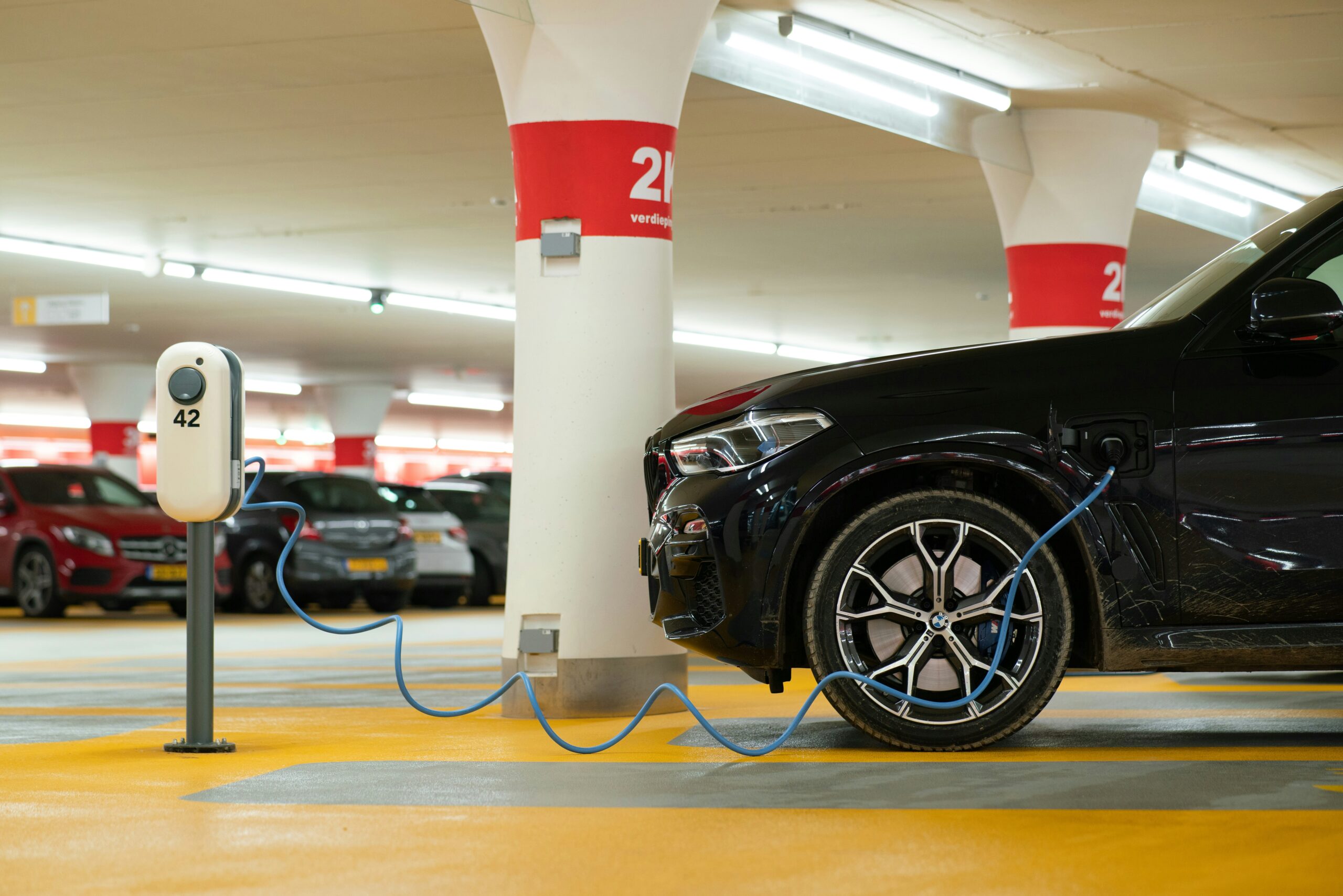
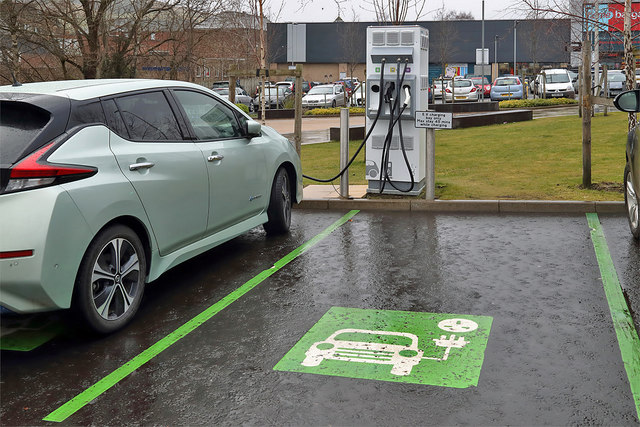
Despite record investment, the quality, reliability, and ubiquity of the public charging network lag behind the pace of vehicle adoption, hindering consumer confidence and threatening the longevity of the momentum.
- Reliability and Uptime: Charger reliability and uptime statistics in many regions remain poor, frustrating drivers and undermining the convenience argument for EVs. Standardization of maintenance and mandated minimum uptime levels are required to restore consumer trust.
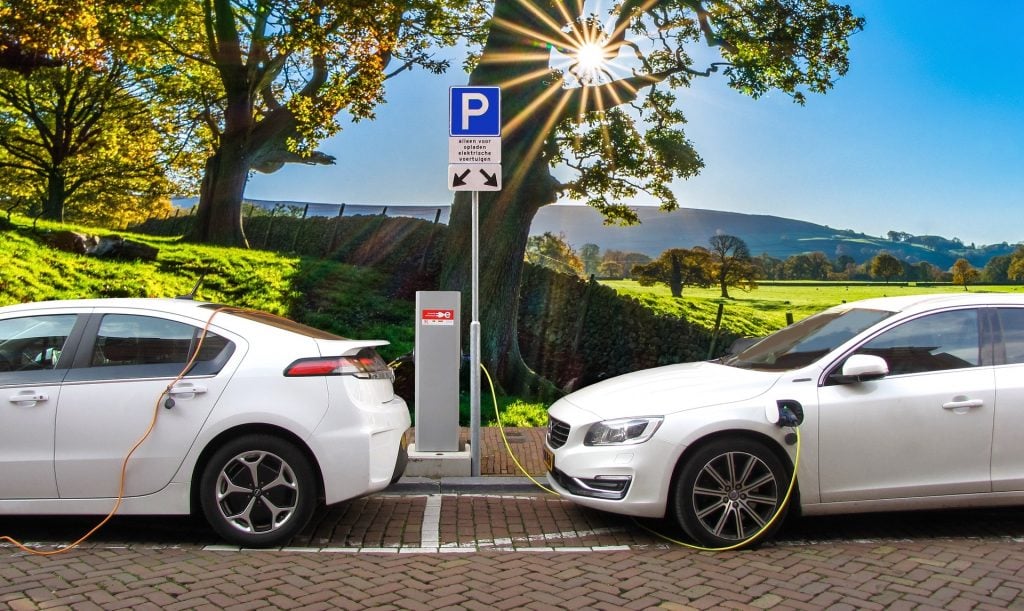
- Payment and Interoperability: The lack of seamless, standardized payment systems and the fragmentation across various network operators create a complex user experience. Universal adoption of “plug-and-charge” capabilities and universal payment methods is necessary to simplify the consumer journey.
- High-Power Charging Corridors: While urban charging is improving, the deployment of ultra-fast charging along major highway corridors and remote travel routes requires continuous, front-loaded investment to ensure long-distance travel remains viable for all EV models.
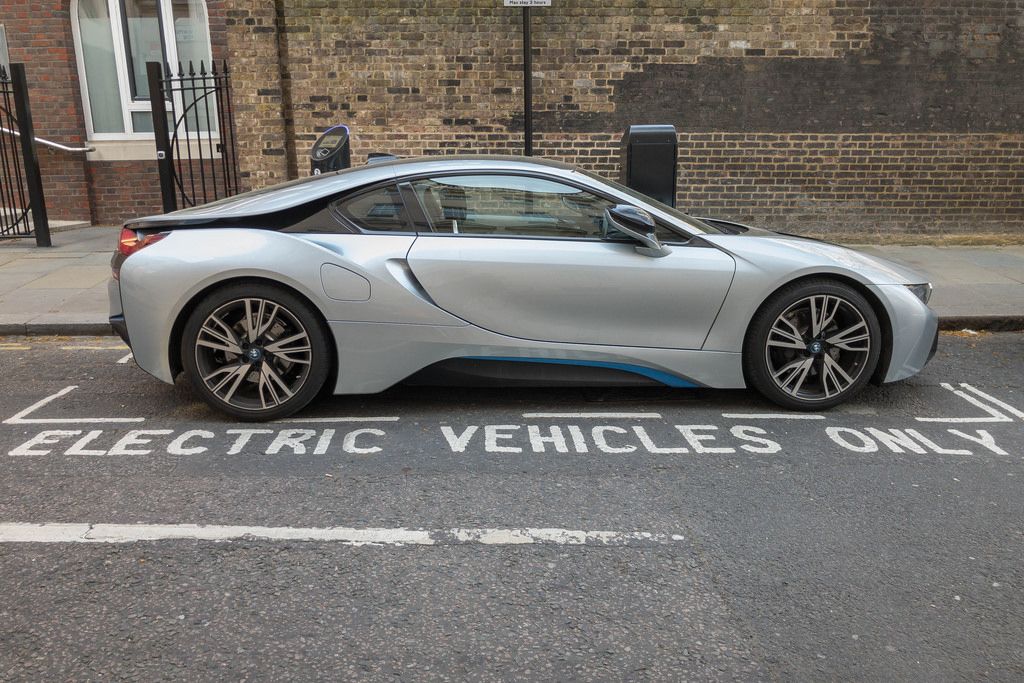
- Charging Equity: Addressing the needs of multi-unit dwelling (MUD) residents who lack dedicated parking is critical. This requires innovative solutions for curbside, streetlight, and communal charging that are equitable and accessible.
C. Service and Aftermarket Readiness
The maintenance and repair ecosystem is ill-equipped to handle the high-voltage, software-intensive nature of the modern EV fleet.
- Technical Training Gap: There is a critical, widening shortage of certified high-voltage technicians and mechanics equipped with the specialized knowledge and tools required to safely diagnose and repair complex battery packs, power electronics, and thermal management systems.
- Insurance and Repair Costs: The complexity and cost of repairing key EV components often lead to higher insurance premiums and can result in total loss declarations for accidents that would be repairable in an ICE vehicle. Standardization of component modularity and repair procedures is vital to reduce these costs.
- Battery Health Standardization: Developing standardized, reliable diagnostics for assessing the State of Health (SOH) of a used EV battery is necessary to support the growing secondary market and provide confidence to buyers and lenders, mitigating residual value risk.
- First Responder Training: Fire and safety protocols for high-voltage EV battery fires require continuous updating and widespread training for first responders globally to ensure public safety keeps pace with adoption.
4. Global Market Dynamics and Competition Acceleration
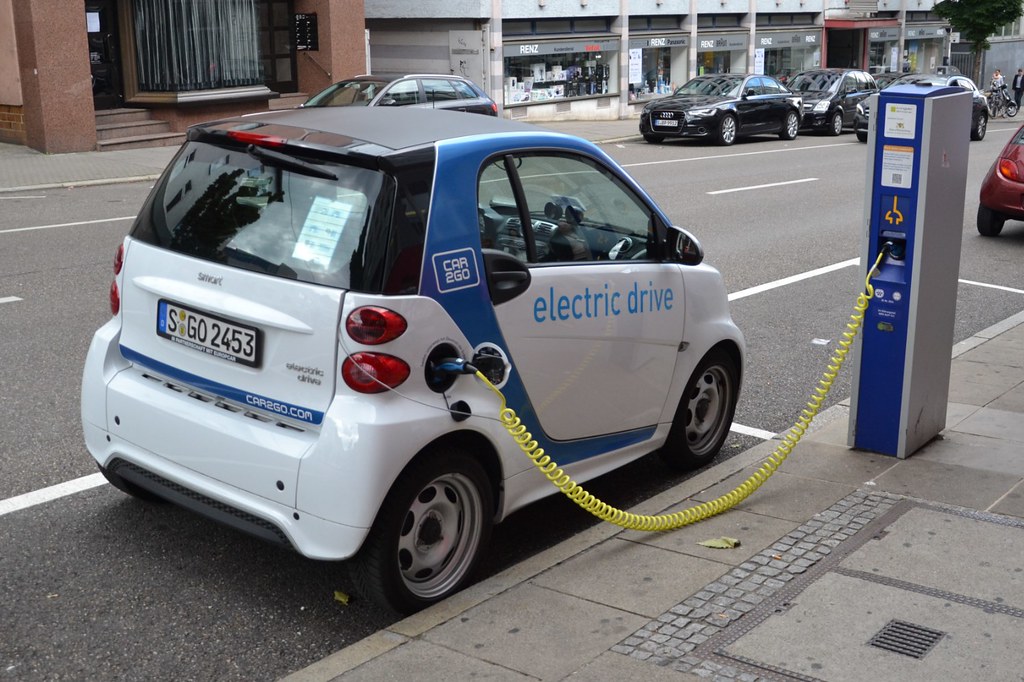
The momentum is most evident in the heightened competitive landscape, with established regions defending their turf and new players pushing the boundaries of cost and innovation.
A. China’s Unprecedented Scale Advantage
The Chinese market is the epicenter of the EV acceleration, defining the pace and cost structure for the rest of the world.
- Volume and Cost Leadership: Chinese manufacturers have achieved an unparalleled scale of production, allowing them to offer highly competitive EVs at price points that global rivals struggle to match, driving global pricing down faster than anticipated.
- Rapid Product Cycle Innovation: The speed at which new models and technological features are introduced in the Chinese market (often yearly) creates immense pressure on established Western and Japanese OEMs, who traditionally operate on slower, multi-year product cycles.
- Global Export Ambitions: Chinese brands are aggressively expanding into European, Southeast Asian, and Latin American markets, leveraging their cost advantage and rapid innovation to seize market share, increasing competitive intensity worldwide and forcing trade policy responses.
- Dominance in LFP: China’s overwhelming control and mastery of the LFP battery supply chain provide a structural cost advantage that is difficult for other regions to overcome in the budget EV segment.
B. European Resilience and Policy Focus
Europe continues to be a regulatory-driven market, leveraging policy to sustain momentum despite local economic pressures.
- Premiumization and Technology Focus: European OEMs are largely focusing on the premium and luxury segments for EVs, leveraging their brand strength and focusing on high-end software and driving dynamics to justify higher prices, partially mitigating Chinese cost competition.
- Circular Economy Leadership: Europe is taking a leadership role in mandating battery recycling targets and promoting sustainable, ethical sourcing of raw materials, creating a regulatory framework that prioritizes long-term environmental sustainability alongside sales volume.
- Infrastructure Investment Coordination: European governments are coordinating investment across borders to build a cohesive, reliable charging network along major transit routes, addressing the pan-European travel needs of consumers.
- Focus on PHEV as a Bridge: European markets often see strong adoption of Plug-in Hybrid Electric Vehicles (PHEVs) as a necessary transition product, offering a stopgap for consumers hesitant about full BEV commitment, but which sustains the overall shift away from pure ICE.
C. North America’s Industrial Mobilization
Fueled by significant legislation, the North American market is undergoing a fundamental remobilization of its industrial base.
- Domestic Battery Ecosystem Creation: Billions of dollars in private and public funds are flowing into building the entire EV supply chain, from mining to final assembly, creating a vertically integrated, regional ecosystem designed to reduce dependence on overseas suppliers, a process accelerated by the current momentum.
- Electrification of Core Segments: The acceleration is most visible in the rapid electrification of core North American vehicle segments—full-size pickup trucks and large SUVs—unlocking massive volume potential previously considered inaccessible to EVs.
- Standardization Victory: The NACS convergence has provided a major boost to consumer and investor confidence, signaling a cohesive industry approach that reduces long-term operational friction and complexity for both drivers and charging providers.
- Focus on High-Performance Charging: Investment is heavily focused on deploying high-power (250kW+) DC fast charging to support the long distances and larger battery packs characteristic of North American vehicle use.
5. Future Growth Trajectory and Sustained Momentum
The momentum seen today is establishing the foundation for the next wave of sustained growth, focusing on affordability, autonomy, and circularity.
A. The Era of the Affordable EV
The sustained momentum virtually guarantees the arrival of mass-market, highly competitive EVs priced equivalently to budget ICE vehicles by the latter half of the decade, a crucial milestone for universal adoption.
- Modular Architecture Maturation: As second- and third-generation modular platforms mature, manufacturing costs will drop substantially, allowing OEMs to produce profitable, affordable vehicles at scale.
- Software-Driven Revenue Streams: The reliance on recurring software and service revenue will allow manufacturers to reduce the initial sticker price of the hardware, making the initial transaction more accessible and improving the long-term financial health of the sector.
- Battery Cost Tipping Point: The continuous decline in battery pack costs will naturally push the cost of EV manufacturing below that of complex ICE systems, making price parity the natural market state.
B. Evolution toward Autonomous Electric Fleets
The momentum in electrification is inseparable from the push toward autonomous mobility.
- Shared Autonomous EV Fleets: The superior economics (low running cost, minimal maintenance) and architectural simplicity of EVs make them the ideal foundation for future autonomous ride-sharing and logistics fleets, fundamentally changing the ownership model in dense urban areas.
- Software Development Symbiosis: The expertise gained in developing EV power electronics and thermal management systems provides the necessary foundation for the complex sensor arrays and high-capacity computing required for Level 4 and Level 5 autonomous systems.
C. The Circular Economy Imperative
Sustaining the current growth momentum requires closing the loop on material usage.
- Battery Second-Life Commercialization: Utilizing retired EV batteries for stationary storage (e.g., utility grid stabilization, microgrids) provides a crucial intermediate life for the material, proving both economic and environmental value before final recycling.
- Advanced Recycling Technologies: Continuous investment in next-generation hydrometallurgical and pyrometallurgical recycling facilities will ensure that critical minerals are recovered at high purity and efficiency, ensuring resource security and minimizing environmental impact for future production.
Final Thought
The current surge in electric vehicle adoption represents a technological, industrial, and social transformation that has fundamentally shattered prior global forecasts. This accelerated momentum confirms that the EV is not just a viable alternative but the superior, inevitable successor to the internal combustion engine. While technological and policy drivers are firmly in place, the greatest challenge now lies in managing the sheer speed of this transition: ensuring that global power grids, public charging networks, and service infrastructures can be upgraded fast enough to support the exploding fleet size without compromising reliability or accessibility. The future of transportation is being defined by a high-stakes race to affordability and an urgent imperative to synchronize industrial scale with infrastructural capacity, guaranteeing a sustainable and equitable electric future for all.