The electric vehicle (EV) sector is currently exhibiting a profound acceleration, characterized by momentum that is not merely meeting, but consistently outstripping even the most optimistic prior projections across the globe. This unforeseen velocity in adoption and technological development signifies a genuine inflection point in the history of transportation, where the transition from internal combustion engines (ICE) is occurring faster and more broadly than industry analysts had predicted. This acceleration is driven by a complex interplay of rapid technological breakthroughs, heightened geopolitical competition, and consumer demand that is proving more resilient to macroeconomic pressures than initially assumed. A detailed examination of this extraordinary momentum reveals the key drivers, the implications for legacy automotive players, and the massive systemic overhauls required to sustain this pace of change.
1. Underlying Forces Driving Unforeseen Velocity
The robust momentum observed in the global EV market is not accidental but the result of reinforcing factors that create a powerful self-sustaining cycle of innovation and adoption.
A. Accelerating Battery Cost Reduction Curves
The pace at which the cost of battery cells and packs is declining has exceeded most industry forecasts, primarily due to scaled manufacturing.
- Gigafactory Production Optimization: The increasing operational efficiency and maturation of massive battery production facilities (gigafactories) lead directly to economies of scale that reduce the cost per kilowatt-hour (kWh). Learning curves are being compressed as manufacturers rapidly refine processes and logistics.
- Shift to Low-Cost Chemistries: The wider adoption of lower-cost chemistries, particularly Lithium Iron Phosphate (LFP) for mass-market and short-range vehicles, is strategically lowering the entry price point of EVs, making them accessible to a broader consumer base sooner than expected.
- Optimized Integration: Innovations in cell-to-pack (CTP) and cell-to-chassis (CTC) designs reduce complexity and weight, requiring less non-active material and further decreasing the manufacturing cost of the overall battery system.
B. Regulatory Timelines Brought Forward
Governments, responding to climate urgency and the technical feasibility demonstrated by the industry, are tightening emission standards and accelerating ICE phase-out mandates.
- Tightening ZEV Mandates: Jurisdictions in North America and Europe are revising Zero Emission Vehicle (ZEV) targets upward, requiring a higher percentage of new vehicles sold to be electric by specific intermediate dates, effectively forcing automakers to ramp up production ahead of schedule.
- Incentive Refocusing: Policy shifts, such as those within the European Union and under the U.S. Inflation Reduction Act (IRA), increasingly tie consumer incentives and tax benefits to domestic or localized manufacturing and sourcing, acting as a powerful industrial policy tool to accelerate the establishment of regional EV supply chains.
- Global Standard Harmonization: The ongoing effort to harmonize charging standards (e.g., NACS adoption) and safety regulations reduces fragmentation, making EVs easier to sell and service across different markets, accelerating cross-border trade and consumer confidence.
C. Software and Digital Integration as a Value Driver
The value proposition of EVs is increasingly moving beyond simple powertrain efficiency to superior digital and software functionality.
- Software-Defined Vehicle (SDV) Superiority: EVs are the native platform for the SDV. The ability to receive frequent over-the-air (OTA) software updates, which can improve range, performance, or correct minor issues, fundamentally changes the ownership experience and makes the EV a perpetually modern, higher-value asset.
- Monetizable Features: The platform allows manufacturers to generate recurring revenue through subscription-based features (e.g., advanced ADAS functionality, premium infotainment), offsetting initial hardware costs and making the EV business model more financially attractive, thus driving further investment.
- Seamless Consumer Electronics Integration: EVs are designed to integrate flawlessly with consumer electronics ecosystems, leveraging large, high-resolution screens and powerful processors for navigation and entertainment, appealing strongly to a digitally native generation that now comprises a significant part of the car-buying public.
2. The Overwhelming Impact on Legacy Automotive Manufacturers
The unforeseen pace of the EV transition creates significant operational and financial stress for established Original Equipment Manufacturers (OEMs), forcing accelerated, high-stakes decisions.
A. The Paradox of Platform Investment
OEMs are trapped between sustaining revenue from their highly profitable ICE portfolios and allocating massive capital to their future EV platforms.
- Stranded Assets Risk: Factories, tooling, and intellectual property tied solely to ICE production risk becoming “stranded assets” far sooner than their scheduled depreciation cycles. This necessitates accelerating write-downs and retooling plans.
- Dual Investment Challenge: Successfully executing the transition requires simultaneous, large-scale investment in two distinct areas: optimizing and defending the profitable, but declining, ICE business; and building the entirely new, high-risk EV supply chains (batteries, motors, software). This strains capital expenditure budgets.
- Talent and Skill Migration: Retaining highly skilled engineers and technicians focused on ICE technology while rapidly recruiting and training a new workforce for battery science, power electronics, and software integration poses a profound human capital challenge.
B. Supply Chain Disruption and Vertical Integration
The rapid shift requires manufacturers to secure new supply chains, demanding vertical integration at an unprecedented scale.
- Battery Supply Control: The single most critical factor is controlling the supply of battery cells. OEMs are aggressively establishing joint ventures or wholly-owned gigafactories to mitigate reliance on external suppliers and ensure production stability and cost management.
- In-House Component Development: Recognizing that power electronics and electric motors are defining competitive factors, many OEMs are bringing the design and manufacturing of inverters and propulsion units in-house, shifting away from a century-old reliance on external Tier 1 suppliers for core mechanical components.
- Raw Material Sourcing Security: The race for critical minerals like lithium, nickel, and cobalt has become a geopolitical imperative. Manufacturers are engaging in direct deals with mining companies and investing in recycling ventures to build a resilient, circular supply chain less vulnerable to market volatility.
C. Pricing Strategy and Margin Pressure
The high-velocity nature of the EV market introduces aggressive price competition, particularly from new entrants and manufacturers in high-volume regions.
- Price Wars and Margin Compression: Aggressive pricing strategies, notably from dominant players in the Chinese market and high-volume Western players, are forcing competitors to reduce prices faster than their cost reduction efforts, resulting in short-term margin compression across the industry.
- Segment Contraction: The rapid market share gain by EVs is shrinking the profitable volume available for legacy ICE vehicles, forcing OEMs to accelerate the retirement of marginal ICE models and further consolidate their resources onto core electric platforms.
- Cost-Parity Focus: The overarching strategic imperative has shifted from achieving volume to rapidly achieving cost parity with ICE vehicles in the entry and mid-market segments, as this is the only path to sustained, profitable mass-market dominance.
3. Systemic Strain on Global Infrastructure
The momentum in EV sales is outpacing the readiness of the underlying infrastructure, creating bottlenecks that require urgent, massive public and private investment.
A. Electrical Grid Capacity and Modernization
The mass adoption of EVs is a load-shifting event that stresses the electrical grid’s distribution and generation capabilities.
- Local Distribution Grid Upgrades: Residential areas and industrial charging depots require substantial upgrades to local transformers, wiring, and substations to handle the concentrated load of multiple simultaneous high-power charging sessions. This capital investment often falls disproportionately on local utilities.
- Smart Charging Protocols: The implementation of dynamic, smart-charging systems—which allow the grid operator or utility to manage charging times during low-demand periods—is essential to prevent localized blackouts and maximize the efficiency of existing infrastructure.
- Renewable Energy Integration: To realize the full environmental benefit of the EV transition, the electrical generation mix must rapidly skew toward renewables. The sheer demand from the growing EV fleet acts as a major catalyst, but also a significant short-term burden, on the renewable energy build-out timetable.
B. Public Charging Network Deficiencies
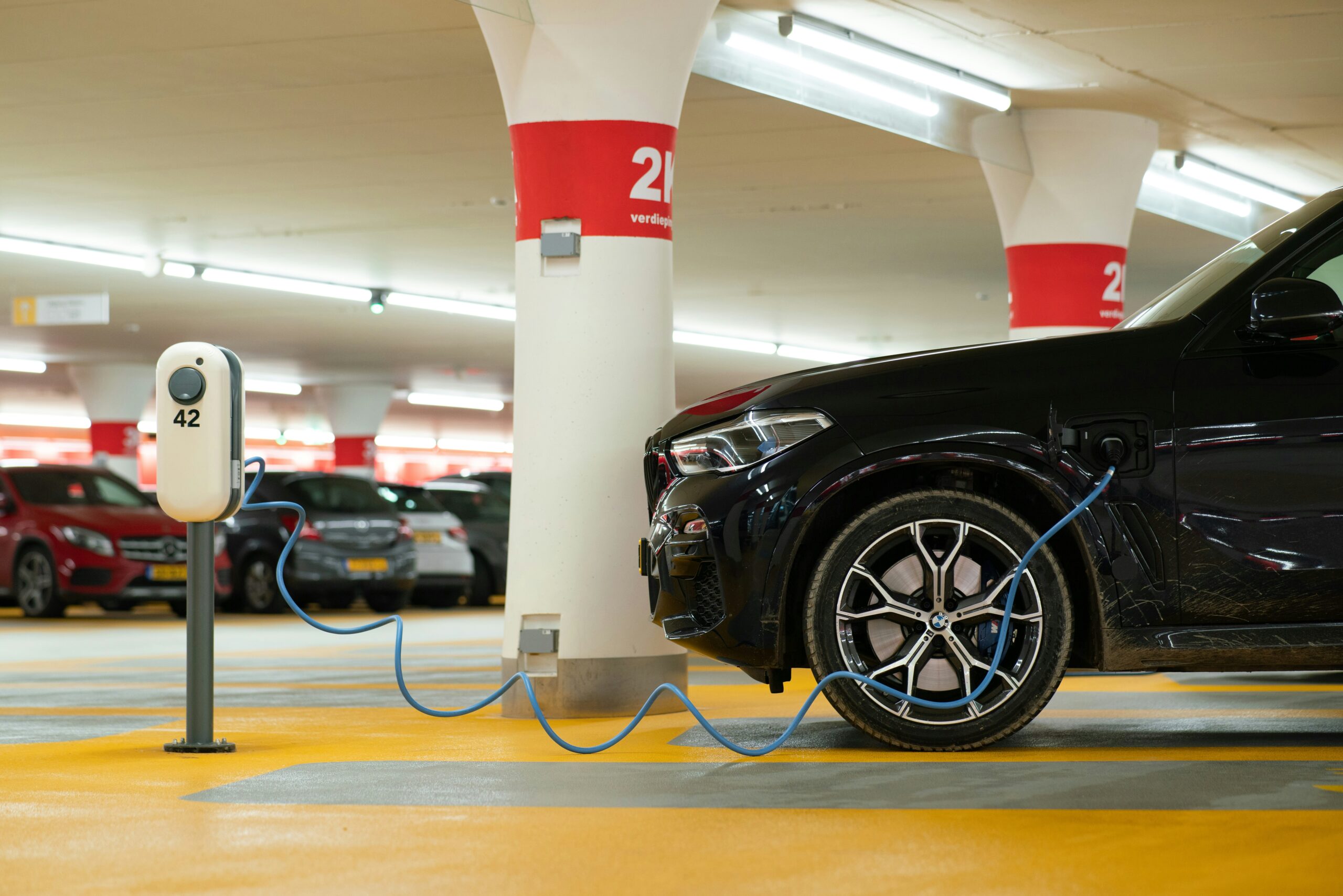
Despite record investment, the quality, reliability, and ubiquity of the public charging network lag behind the pace of vehicle adoption, hindering consumer confidence.
- Reliability and Uptime: Charger reliability and uptime statistics in many regions remain poor, frustrating drivers and undermining the convenience argument for EVs. Standardization of maintenance and software protocols is critical.
- Payment and Interoperability: The lack of seamless, standardized payment systems and the fragmentation across various network operators create a complex user experience. Industry-wide adoption of “plug-and-charge” capabilities and universal payment methods is necessary.
- High-Power Charging Corridors: While urban charging is improving, the deployment of ultra-fast charging along major highway corridors and remote travel routes requires continuous, front-loaded investment to ensure long-distance travel remains viable for all EV models.

C. Service and Aftermarket Readiness
The maintenance and repair ecosystem is ill-equipped to handle the high-voltage, software-intensive nature of the modern EV fleet.
- Technical Training Gap: There is a critical shortage of certified high-voltage technicians and mechanics equipped with the specialized knowledge and tools required to safely diagnose and repair complex battery packs, power electronics, and thermal management systems.
- Insurance and Repair Costs: The complexity and cost of repairing key EV components, particularly the large battery pack, often lead to higher insurance premiums and can result in total loss declarations for accidents that would be repairable in an ICE vehicle. New repair methodologies, such as module-level battery repair, must be commercialized.
- Battery Health Standardization: Developing standardized, reliable diagnostics for assessing the State of Health (SOH) of a used EV battery is necessary to support the growing secondary market and provide confidence to buyers and lenders.
4. Global Market Dynamics and Competition Acceleration
The momentum is most evident in the heightened competitive landscape, with established regions defending their turf and new players pushing the boundaries of cost and innovation.
A. China’s Unprecedented Scale Advantage
The Chinese market is the epicenter of the EV acceleration, defining the pace and cost structure for the rest of the world.
- Volume and Cost Leadership: Chinese manufacturers have achieved an unparalleled scale of production, allowing them to offer highly competitive EVs at price points that global rivals struggle to match, driving global pricing down faster than anticipated.
- Rapid Product Cycle Innovation: The speed at which new models and technological features are introduced in the Chinese market (often yearly) creates immense pressure on established Western and Japanese OEMs, who traditionally operate on slower, multi-year product cycles.
- Global Export Ambitions: Chinese brands are aggressively expanding into European, Southeast Asian, and Latin American markets, leveraging their cost advantage and rapid innovation to seize market share, increasing competitive intensity worldwide.
B. European Resilience and Policy Focus
Europe continues to be a regulatory-driven market, leveraging policy to sustain momentum despite local economic pressures.
- Premiumization and Technology Focus: European OEMs are largely focusing on the premium and luxury segments for EVs, leveraging their brand strength and focusing on high-end software and driving dynamics to justify higher prices, partially mitigating Chinese cost competition.
- Circular Economy Leadership: Europe is taking a leadership role in mandating battery recycling targets and promoting sustainable, ethical sourcing of raw materials, creating a regulatory framework that prioritizes long-term environmental sustainability alongside sales volume.
- Infrastructure Investment Coordination: European governments are coordinating investment across borders to build a cohesive, reliable charging network along major transit routes, addressing the pan-European travel needs of consumers.
C. North America’s Industrial Mobilization
Fueled by significant legislation, the North American market is undergoing a fundamental remobilization of its industrial base.
- Domestic Battery Ecosystem Creation: Billions of dollars in private and public funds are flowing into building the entire EV supply chain, from mining to final assembly, creating a vertically integrated, regional ecosystem designed to reduce dependence on overseas suppliers.
- Electrification of Core Segments: The acceleration is most visible in the rapid electrification of core North American vehicle segments—full-size pickup trucks and large SUVs—unlocking massive volume potential previously considered inaccessible to EVs.
- Standardization Victory: The NACS convergence has provided a major boost to consumer and investor confidence, signaling a cohesive industry approach that reduces long-term operational friction.
5. Future Growth Trajectory and Sustained Momentum
The momentum seen today is establishing the foundation for the next wave of sustained growth, focusing on affordability, autonomy, and circularity.
A. The Era of the $25,000 EV
The sustained momentum virtually guarantees the arrival of mass-market, highly competitive EVs priced around the $25,000 mark by the latter half of the decade, a crucial milestone for universal adoption.
- Modular Architecture Maturation: As second- and third-generation modular platforms mature, manufacturing costs will drop substantially, allowing OEMs to produce profitable, affordable vehicles at scale.
- Software-Driven Revenue Streams: The reliance on recurring software and service revenue will allow manufacturers to reduce the initial sticker price of the hardware, making the initial transaction more accessible.
- Battery Cost Tipping Point: The continuous decline in battery pack costs will naturally push the cost of EV manufacturing below that of complex ICE systems, making price parity the natural market state.
B. Evolution toward Autonomous Electric Fleets
The momentum in electrification is inseparable from the push toward autonomous mobility.
- Shared Autonomous EV Fleets: The superior economics (low running cost, minimal maintenance) and architectural simplicity of EVs make them the ideal foundation for future autonomous ride-sharing and logistics fleets, fundamentally changing the ownership model in dense urban areas.
- Software Development Symbiosis: The expertise gained in developing EV power electronics and thermal management systems provides the necessary foundation for the complex sensor arrays and high-capacity computing required for Level 4 and Level 5 autonomous systems.
C. The Circular Economy Imperative
Sustaining the current growth momentum requires closing the loop on material usage.
- Battery Second-Life Commercialization: Utilizing retired EV batteries for stationary storage (e.g., utility grid stabilization, microgrids) provides a crucial intermediate life for the material, proving both economic and environmental value before final recycling.
- Advanced Recycling Technologies: Continuous investment in next-generation hydrometallurgical and pyrometallurgical recycling facilities will ensure that critical minerals are recovered at high purity and efficiency, ensuring resource security and minimizing environmental impact for future production.

Final Thought
The current EV momentum is more than a trend; it is a rapid, irreversible global transformation that has recalibrated industry expectations and timelines. This acceleration is a victory for technological commitment and policy coordination, but it creates profound, immediate stress on the existing infrastructure, supply chains, and legacy business models. The speed of EV adoption now mandates an equally aggressive response from power utilities and governments to modernize grids, establish resilient charging networks, and ensure a just transition for the workforce. The future of transportation is being built now, defined by a competitive race to the bottom in cost, a race to the top in software functionality, and a fundamental commitment to sustainable, high-volume electric mobility worldwide.